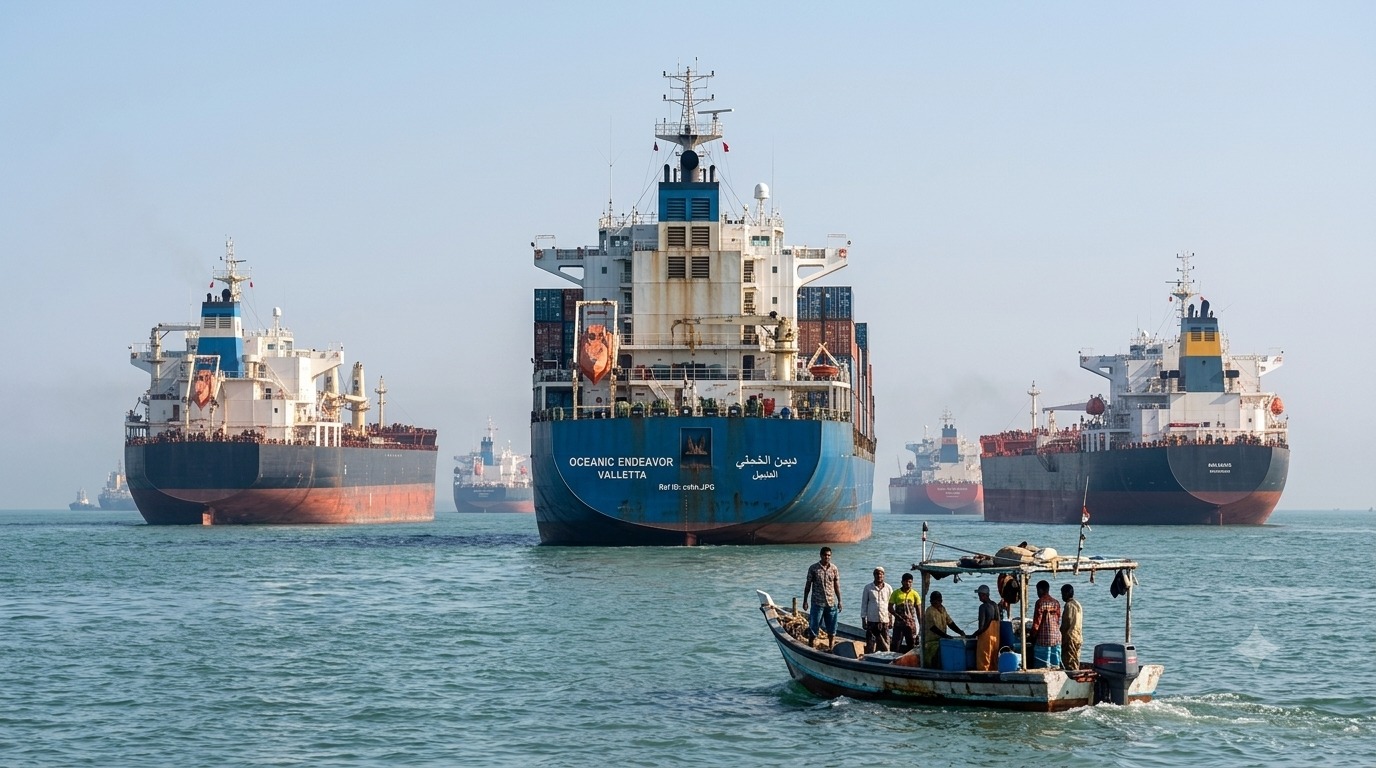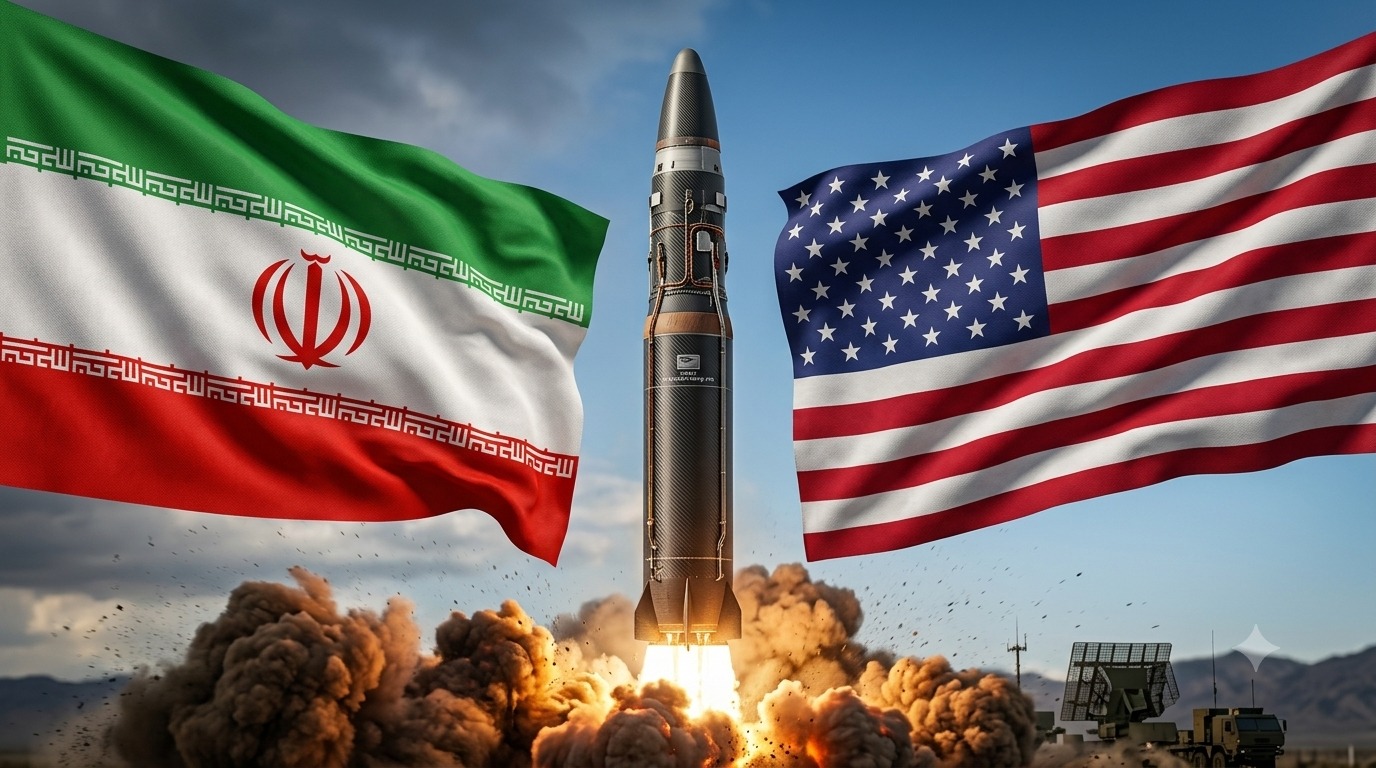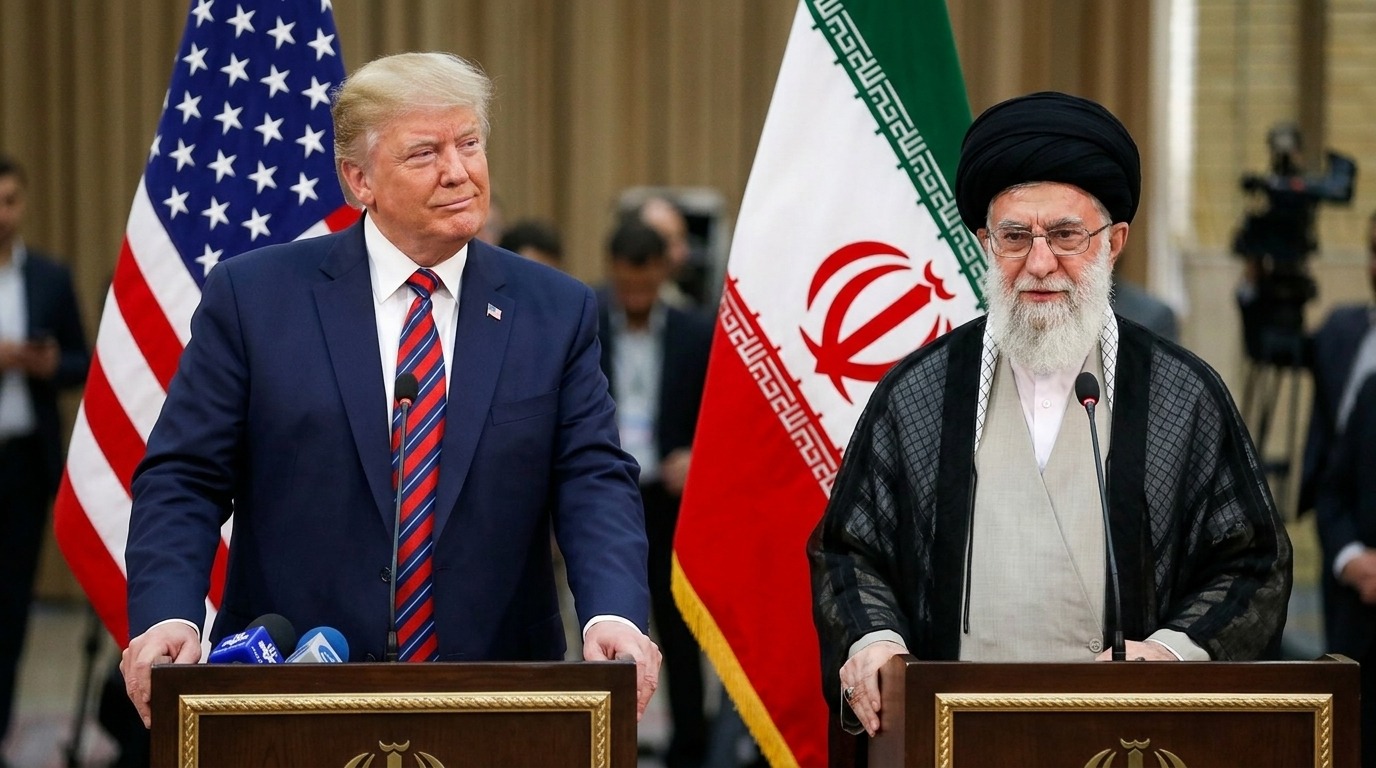
The latest developments have prompted increased monitoring of maritime activity across the Gulf, where one of the world's most strategically important shipping corridors supports a significant share of global energy exports. Although commercial traffic continues, heightened security concerns have contributed to renewed volatility in commodity markets and shipping insurance costs.
Businesses dependent on international trade are closely evaluating contingency plans should regional instability persist. Manufacturing companies, logistics providers and commodity traders remain particularly sensitive to developments that could affect transportation costs, delivery schedules and supply-chain reliability.
Financial markets have responded cautiously, with investors balancing concerns over geopolitical risk against expectations that governments will seek to prevent significant disruption to global trade.
Energy producers are also monitoring developments closely, recognising that even limited interruptions to shipping routes could influence oil prices, inflation expectations and corporate operating costs across multiple industries.
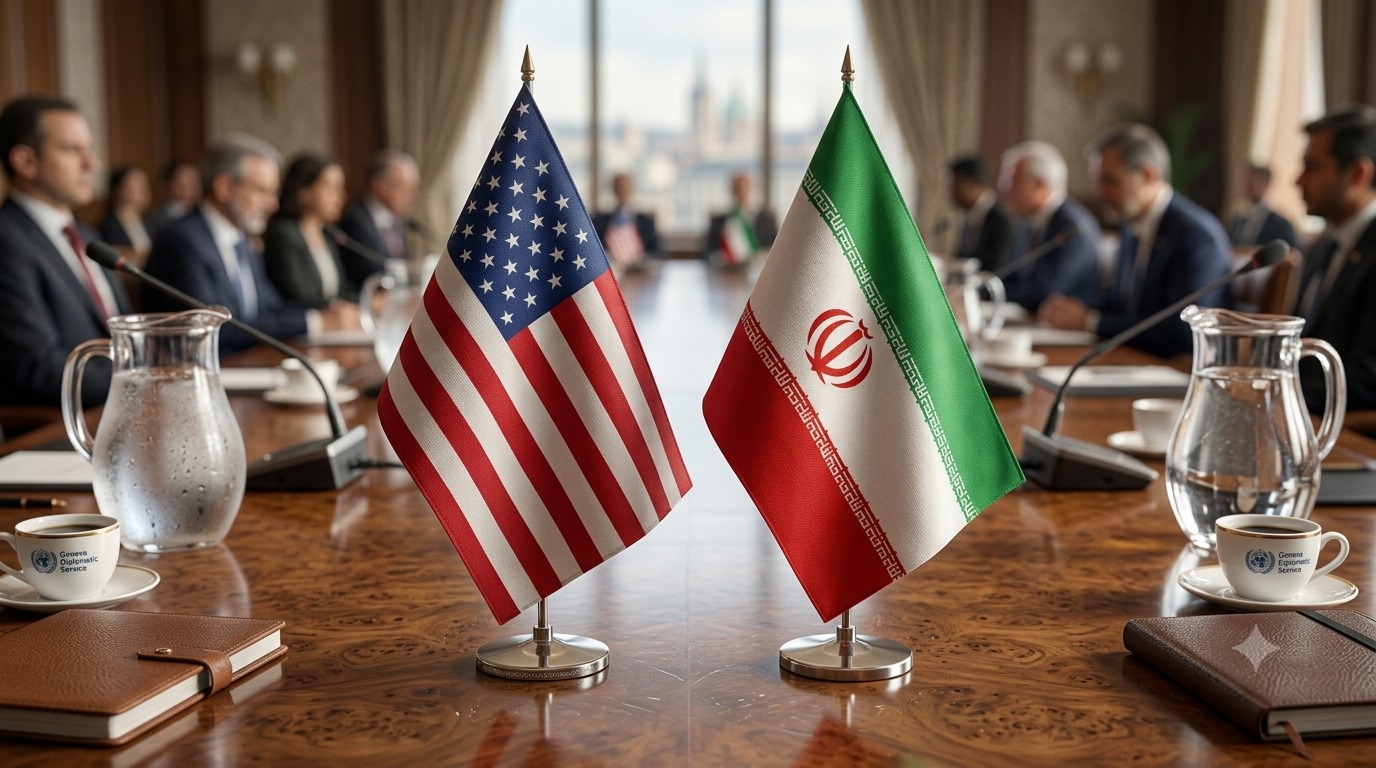
Diplomatic efforts continue among regional and international partners seeking to reduce tensions and maintain stability in critical maritime corridors. Analysts note that sustained cooperation remains essential to preserving confidence in global energy markets and commercial shipping.
Economists say geopolitical developments are increasingly influencing corporate decision-making beyond defence and energy sectors. Businesses now routinely incorporate political risk into investment planning, procurement strategies and long-term capital allocation.
For governments, maintaining secure trade routes has become inseparable from supporting economic growth and market confidence. For multinational companies, operational resilience increasingly depends on the ability to adapt quickly to evolving geopolitical conditions.
The latest developments serve as a reminder that geopolitical events are no longer isolated foreign policy issues. They have become central drivers of business strategy, investment decisions and economic performance in an interconnected global economy.