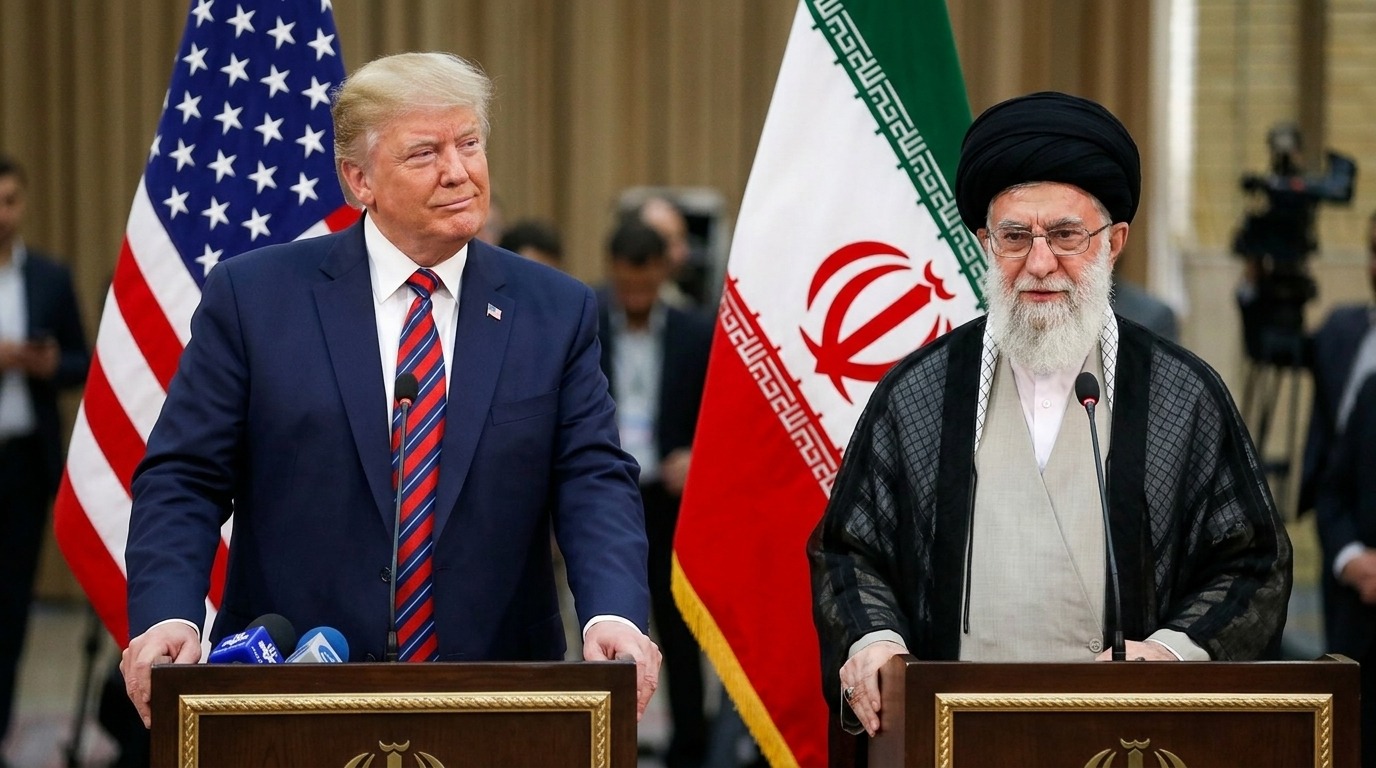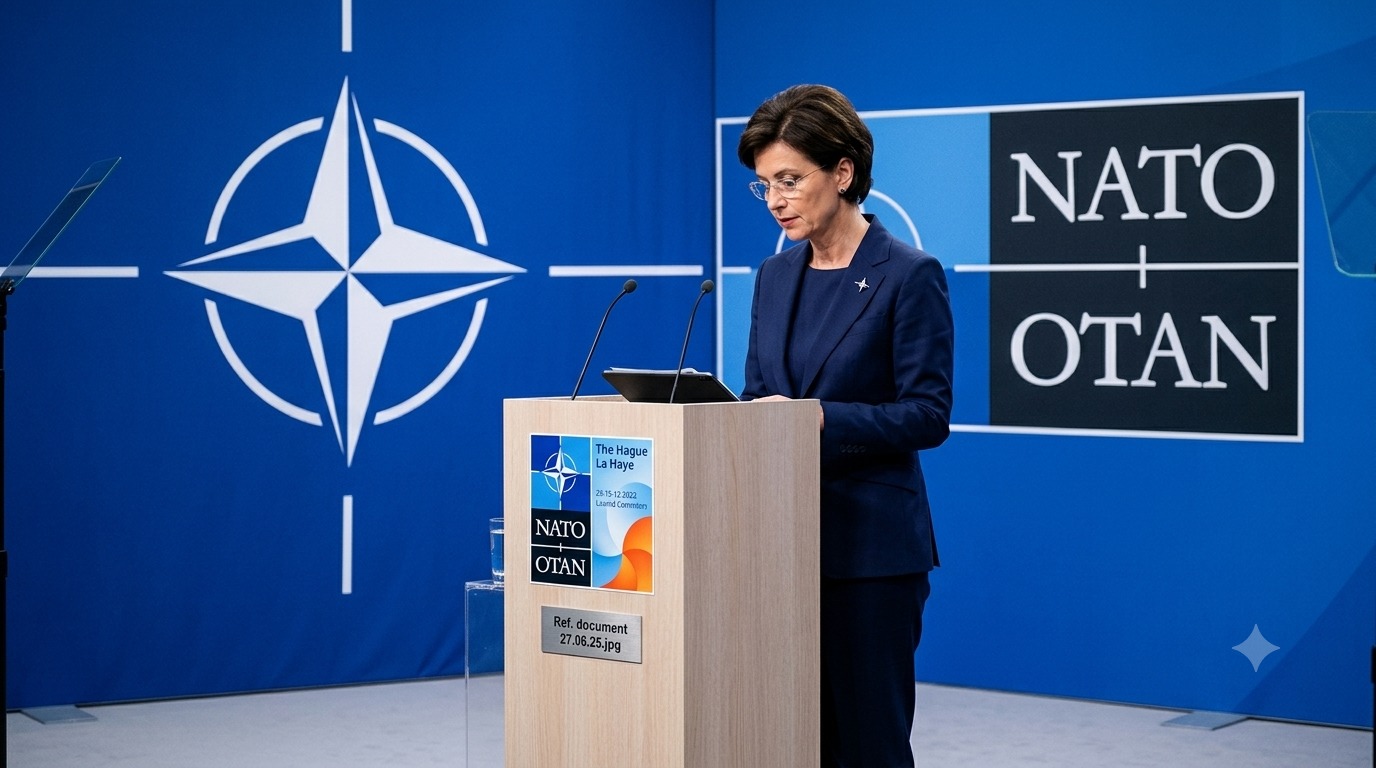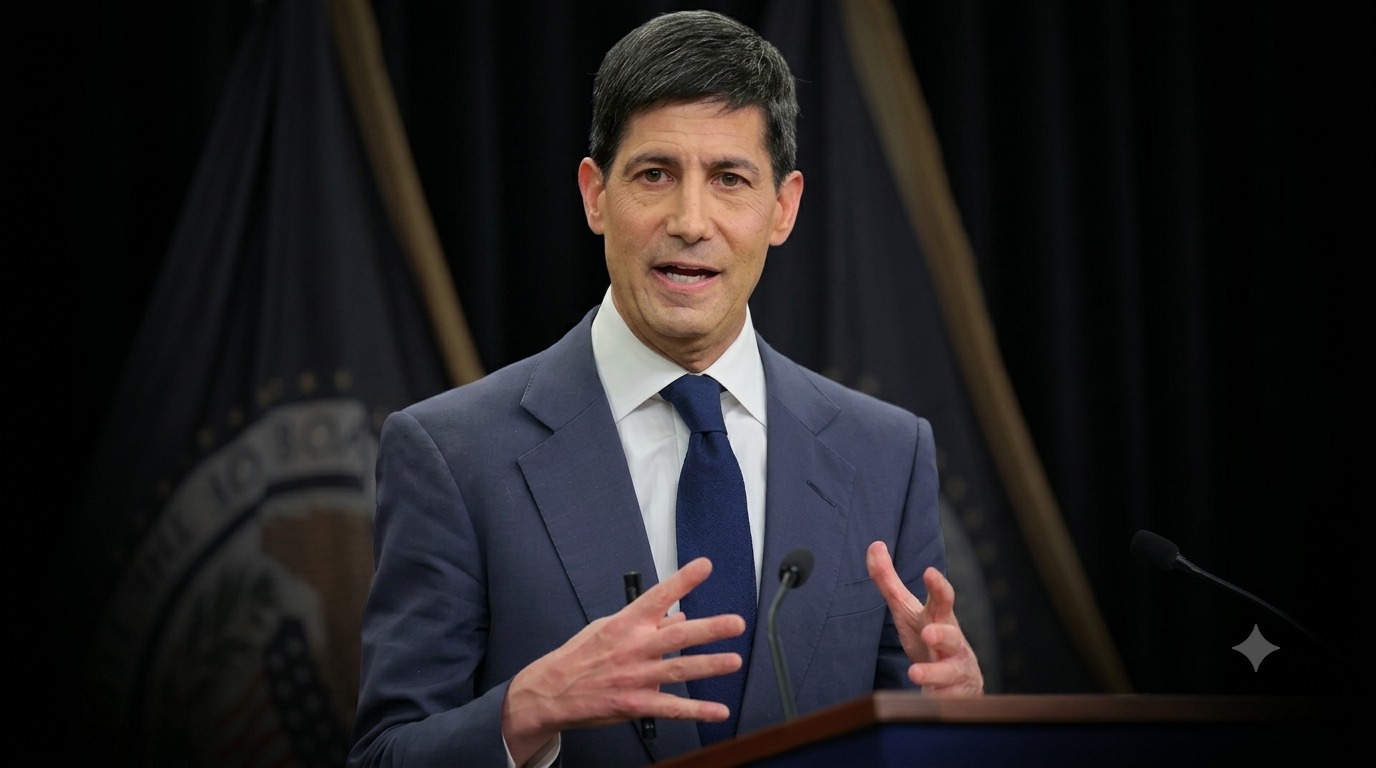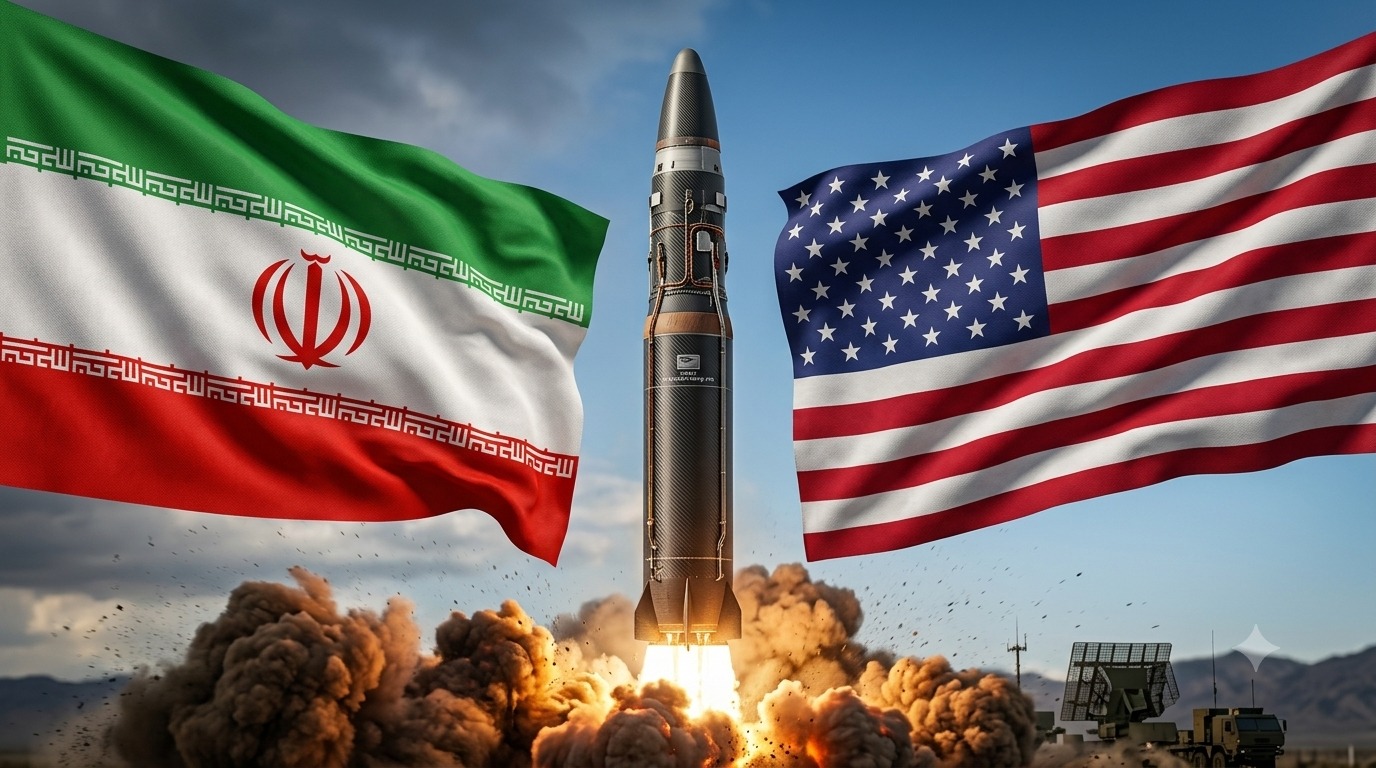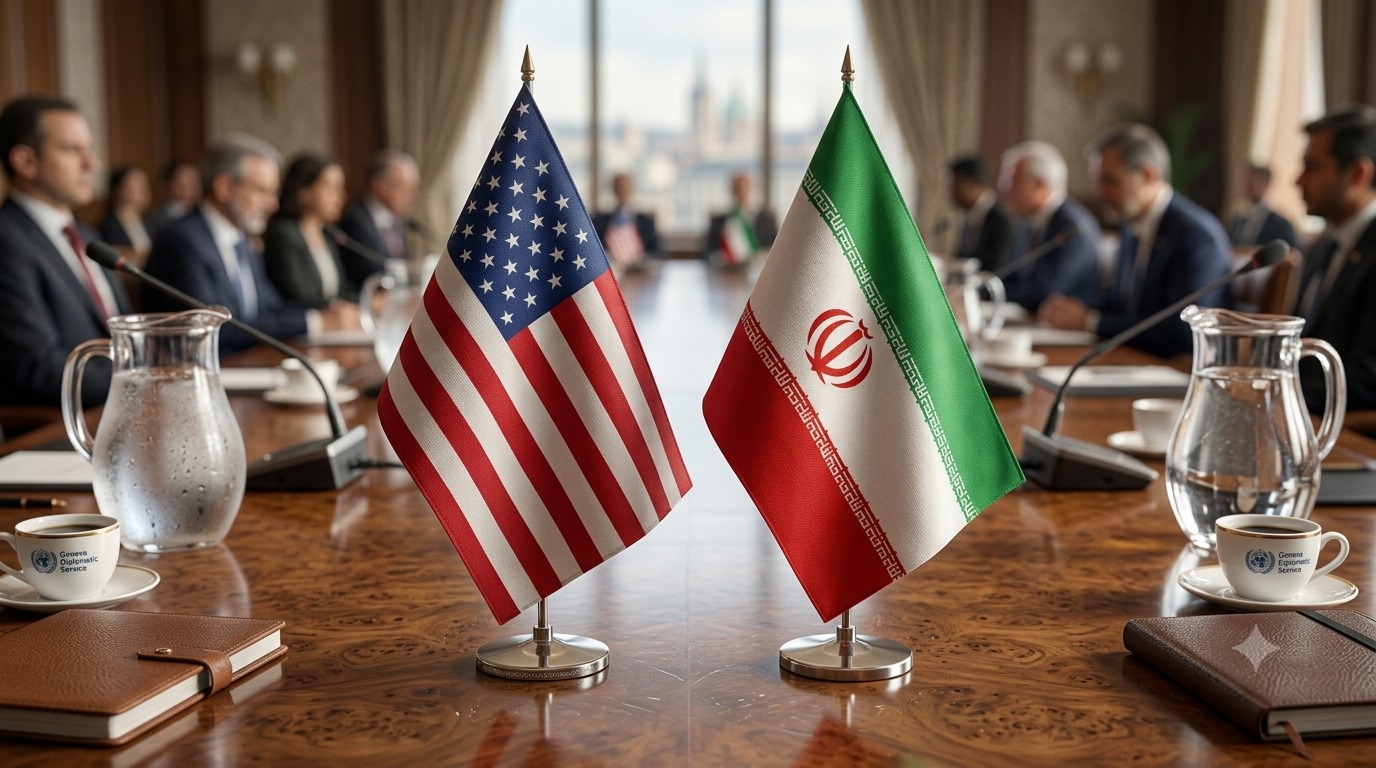
The shift in investor sentiment follows indications that diplomatic engagement has helped reduce fears of a broader regional escalation, prompting declines in oil prices and improving confidence across equity, currency and commodity markets. While geopolitical uncertainty remains elevated, analysts say investors are beginning to differentiate between headline risk and developments with direct implications for global commerce.
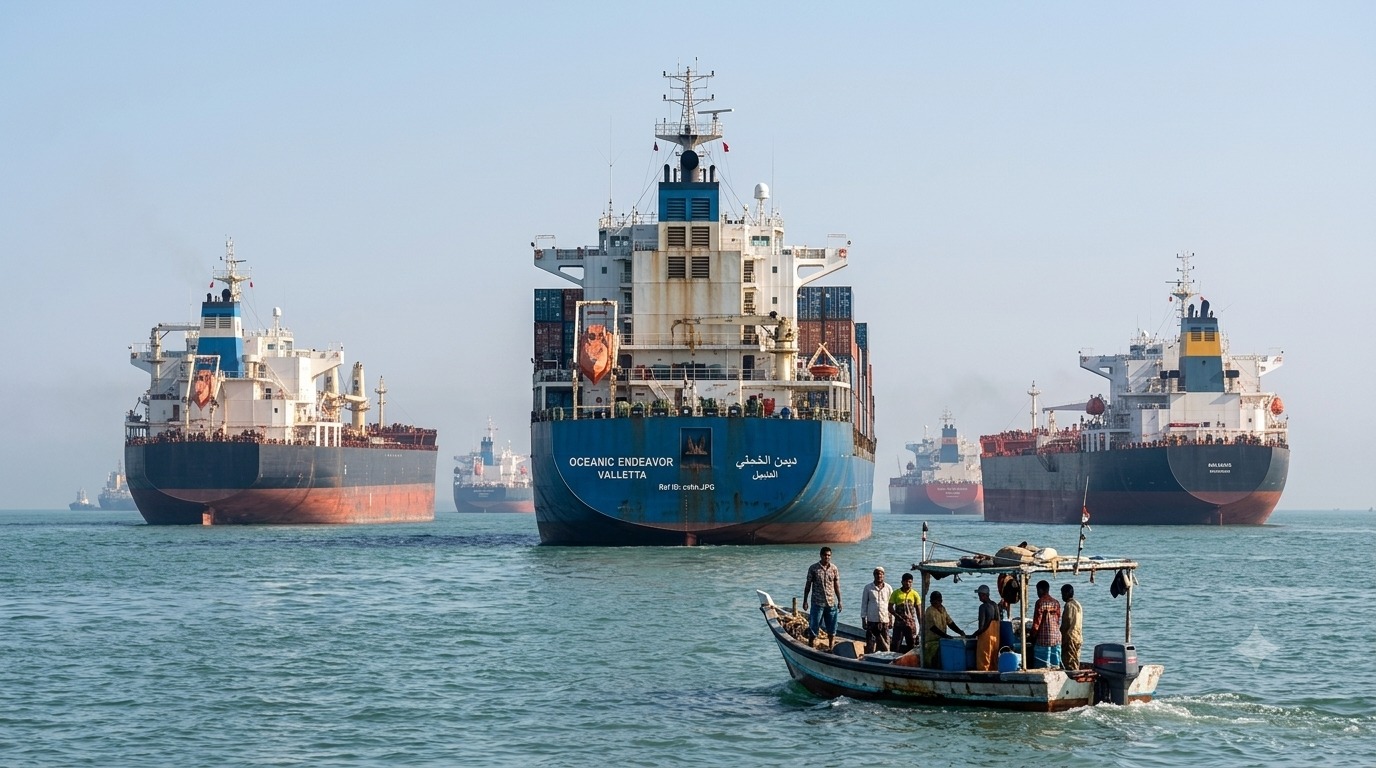
Energy markets have been among the first to respond. Crude prices retreated as traders reduced the geopolitical risk premium that had been built into prices amid fears of potential disruptions to shipping through the Strait of Hormuz, one of the world's most strategically important energy corridors.
For businesses, improved market stability could provide temporary relief after months of volatility linked to conflict, sanctions and disruptions across global supply chains. Lower fuel prices reduce operating costs for manufacturers, airlines, logistics providers and exporters, sectors that remain particularly sensitive to transportation expenses.
Shipping companies and insurers are also closely monitoring diplomatic developments. Reduced geopolitical risk could help stabilise freight rates and insurance premiums that have increased in response to uncertainty across key maritime routes.
Economists caution that structural geopolitical risks remain unresolved. Broader issues involving regional security, international sanctions and strategic competition continue to shape long-term investment decisions, particularly in energy infrastructure and international trade.
Governments are expected to continue balancing diplomatic engagement with broader security priorities while businesses strengthen contingency planning to reduce exposure to future disruptions.
For investors, the evolving diplomatic landscape demonstrates the increasing influence of geopolitics on financial markets. Political developments now play an equally important role alongside economic data in determining market direction, commodity pricing and investment confidence.
The coming weeks will likely determine whether diplomatic momentum can be sustained or whether renewed tensions once again shift attention toward supply-chain resilience, inflation risks and global energy security.