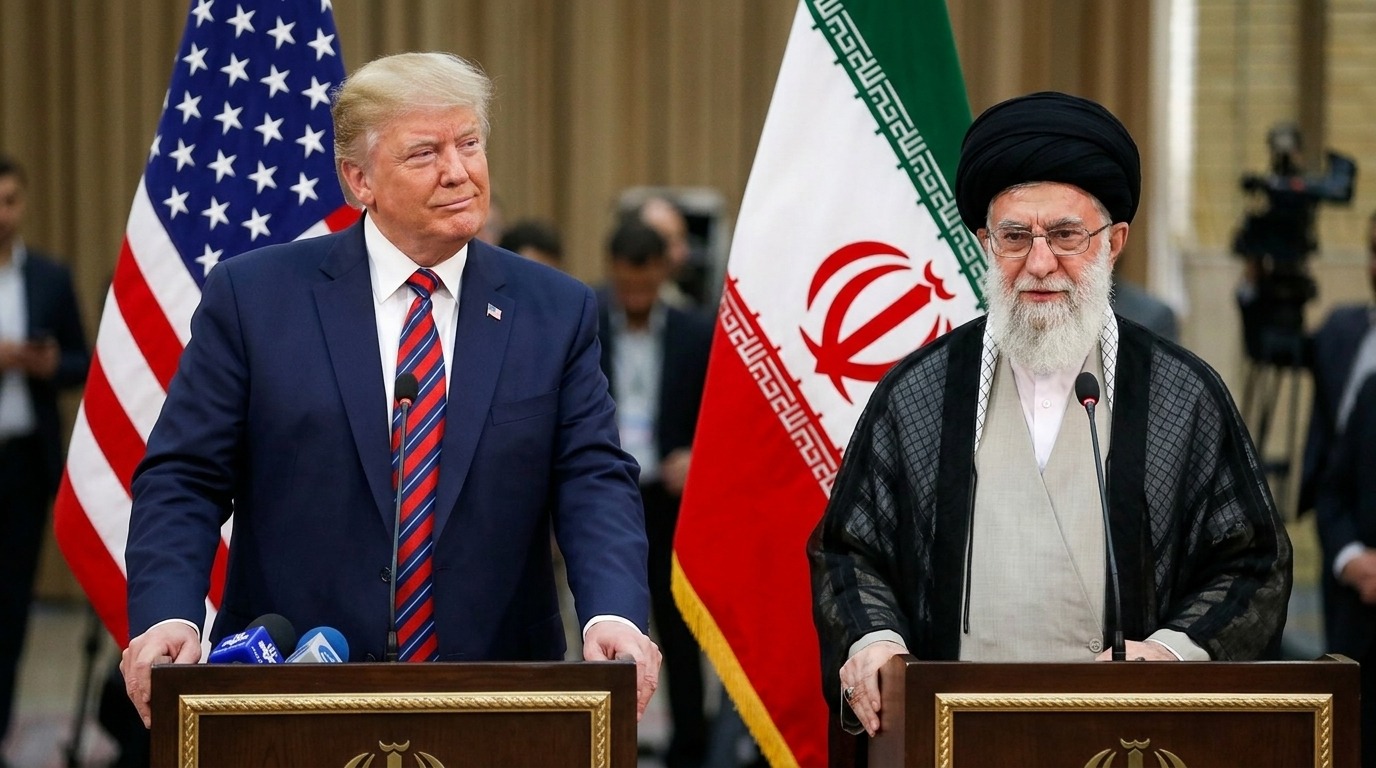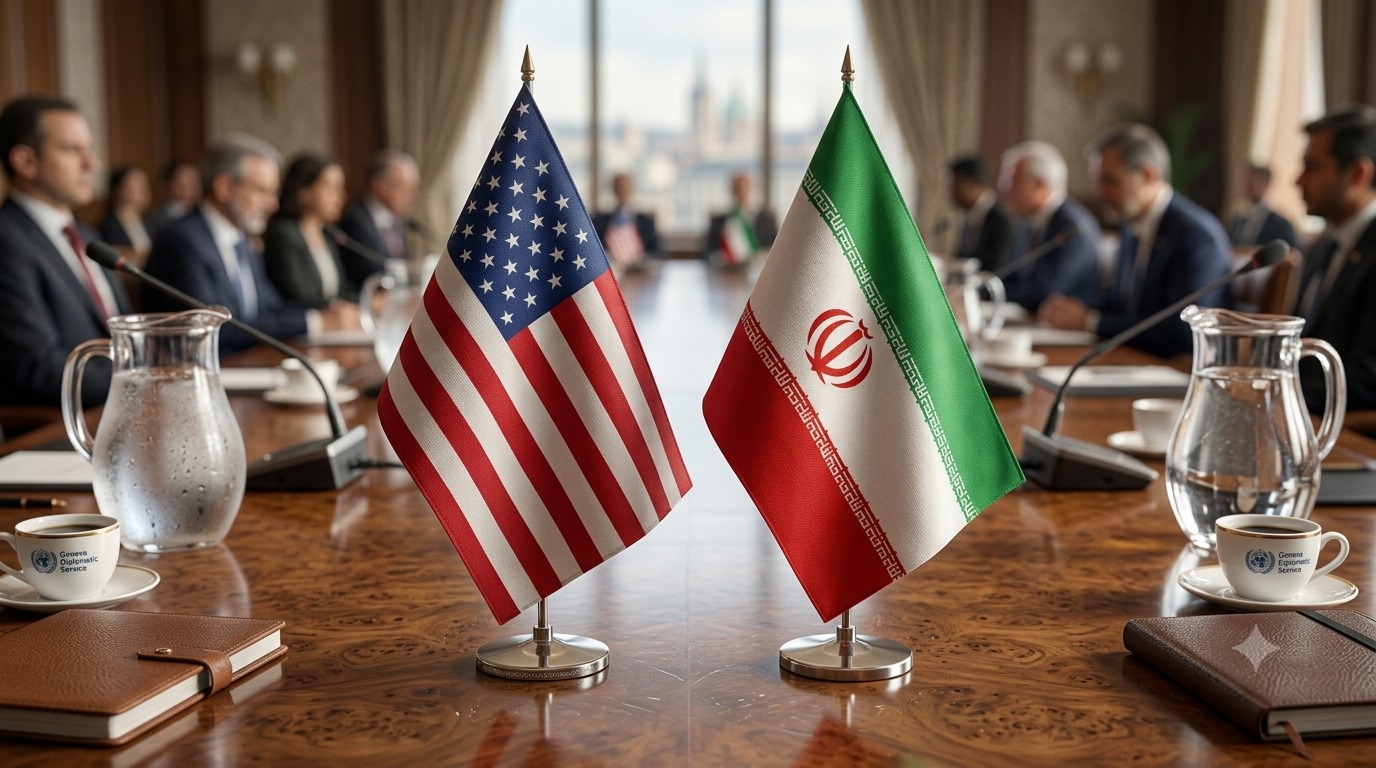
While no significant disruption to oil exports has occurred, markets have increasingly priced in geopolitical risk as negotiations show little sign of immediate progress. The prolonged deadlock has heightened concerns among governments, multinational corporations and financial institutions over the resilience of global supply chains should regional tensions escalate further.
The Middle East remains central to global energy security, with major shipping lanes and hydrocarbon exports supporting industrial activity across Asia, Europe and North America. Businesses dependent on predictable energy supplies are therefore monitoring diplomatic developments as closely as economic indicators.
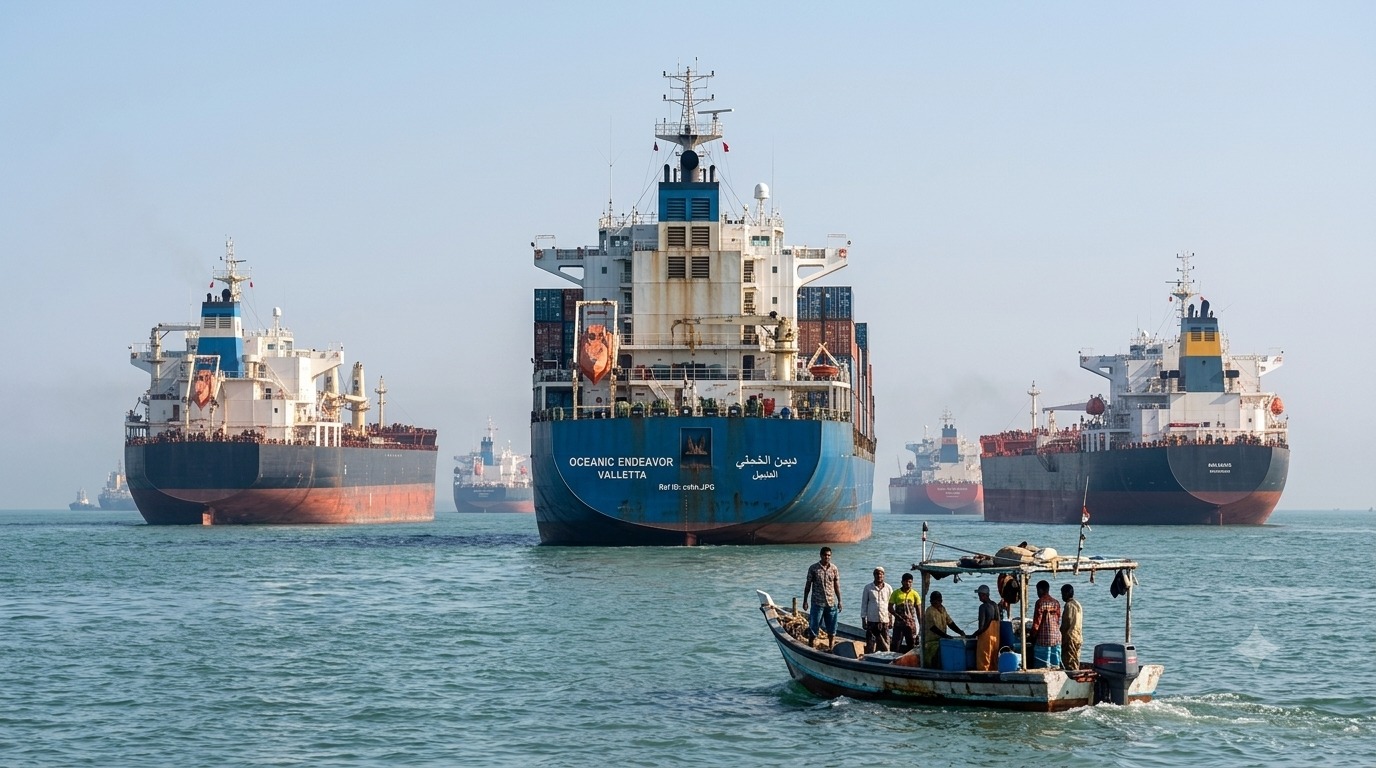
Shipping operators, insurers and commodity traders have responded by strengthening risk management frameworks and reviewing contingency plans for cargo movements through strategic maritime corridors. Although commercial activity continues, higher insurance costs and elevated freight premiums are gradually increasing operational expenses for international trade.
Economists say geopolitical uncertainty has evolved beyond a security issue into a structural economic risk. Energy price volatility affects inflation, transportation costs, manufacturing competitiveness and corporate investment decisions, extending the consequences far beyond the immediate region.
Several governments are accelerating energy diversification strategies while encouraging domestic infrastructure investment aimed at reducing long-term dependence on vulnerable international supply routes.
Financial markets have remained cautious, with investors seeking greater exposure to defensive sectors while closely tracking diplomatic developments that could influence commodity prices and monetary policy expectations.
Business leaders increasingly view geopolitical resilience as an essential component of corporate strategy. Boardrooms are expanding geopolitical risk analysis into capital allocation, procurement and long-term investment planning.
For policymakers, restoring diplomatic stability would help reduce uncertainty affecting trade and investment. Until then, businesses and investors are expected to remain focused on developments that could reshape energy markets and global commerce throughout the second half of the year.