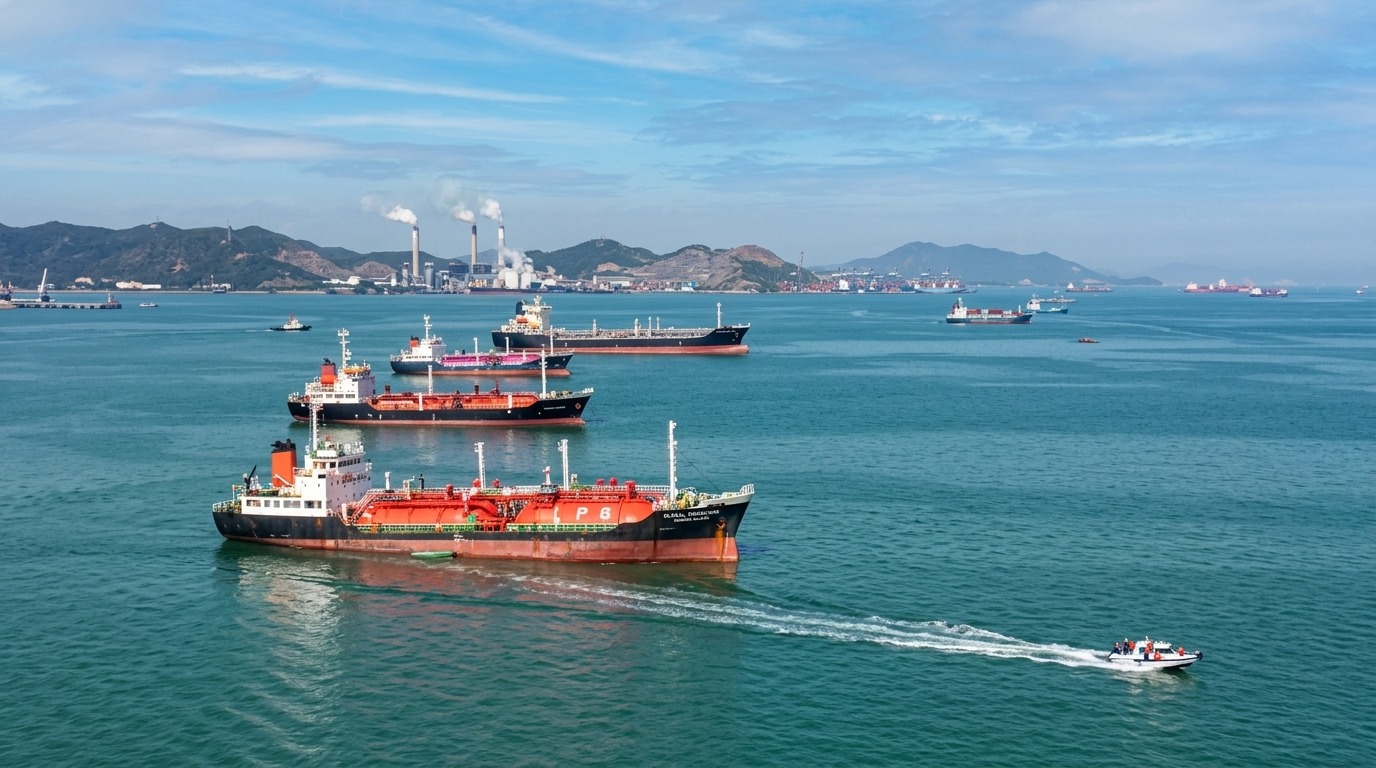
Although physical energy supplies remain largely uninterrupted, recent geopolitical developments have reinforced concerns about the vulnerability of global supply chains to disruptions affecting major shipping routes and energy-producing regions. Market participants say the latest tensions have once again demonstrated how quickly geopolitical events can influence commodity prices, logistics networks and investment decisions.
Energy producers, utilities and infrastructure operators are increasingly reviewing contingency plans aimed at improving operational resilience. These include expanding strategic petroleum reserves, investing in alternative transportation corridors, modernising storage facilities and accelerating renewable energy deployment to reduce dependence on imported fossil fuels.
The implications extend beyond the energy sector. Higher oil prices increase transportation and manufacturing costs, placing additional pressure on businesses already navigating elevated borrowing costs and uncertain global demand. Industries dependent on international shipping—including chemicals, construction, aviation and consumer manufacturing—remain particularly exposed to prolonged volatility in fuel markets.
Governments are also reassessing long-term infrastructure priorities. Several economies have announced or accelerated investment programmes focused on electricity transmission networks, liquefied natural gas facilities, battery storage and domestic refining capacity in an effort to reduce exposure to external supply shocks.
Economists note that energy security has become increasingly intertwined with economic competitiveness. Countries capable of maintaining reliable, affordable energy supplies are expected to enjoy stronger industrial performance, greater investment attractiveness and improved long-term resilience.
Institutional investors are responding by increasing scrutiny of infrastructure assets, energy transition projects and companies positioned to benefit from rising capital expenditure across the sector.
For corporate leaders, the current environment reinforces a broader strategic lesson emerging over recent years: resilient infrastructure is no longer solely an operational necessity but a competitive advantage in an increasingly fragmented global economy.
As geopolitical uncertainty persists, businesses and policymakers alike are expected to place greater emphasis on energy diversification, infrastructure modernisation and long-term investment strategies capable of supporting economic stability through future market disruptions.