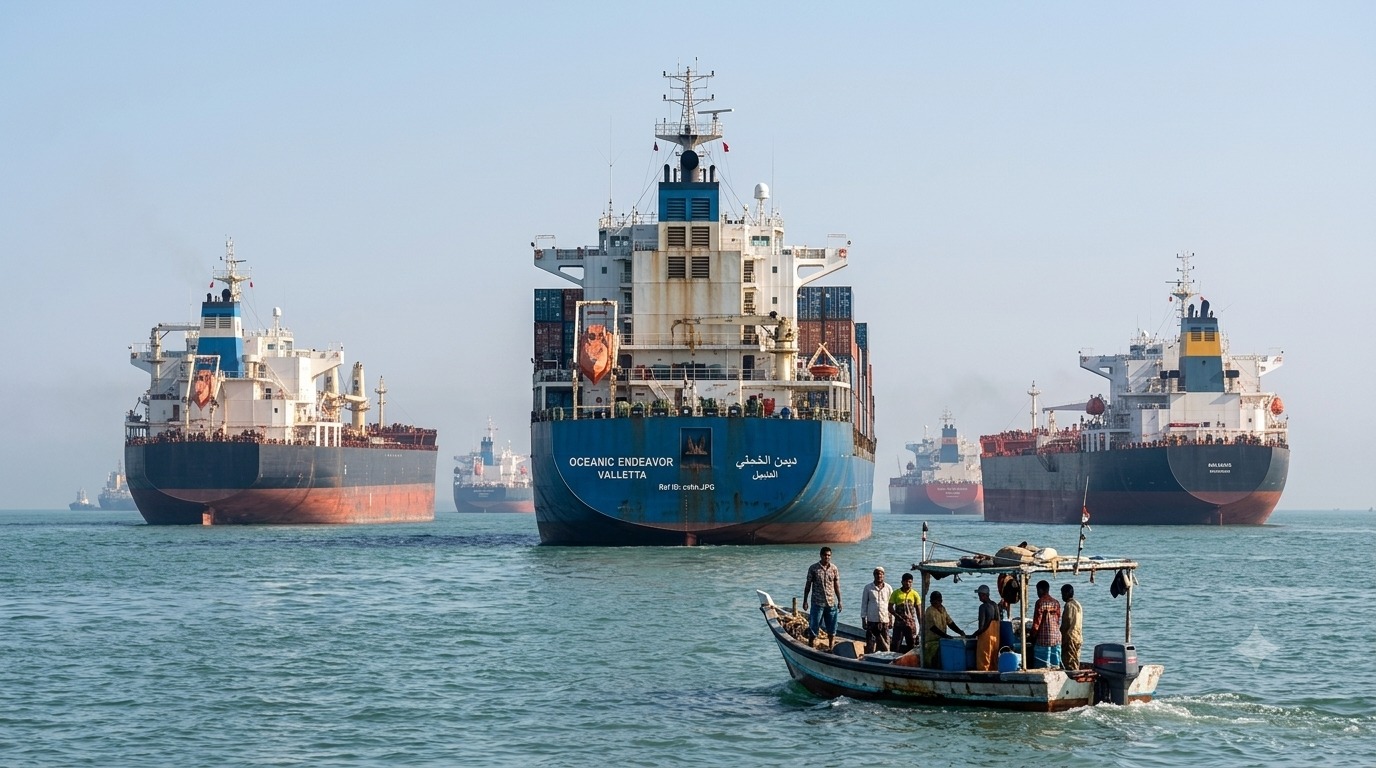
The strategic waterway remains one of the world's most critical maritime corridors, handling a substantial share of internationally traded crude oil and liquefied natural gas. Recent stability has helped ease immediate concerns over supply disruptions, contributing to lower energy prices and improved investor confidence.
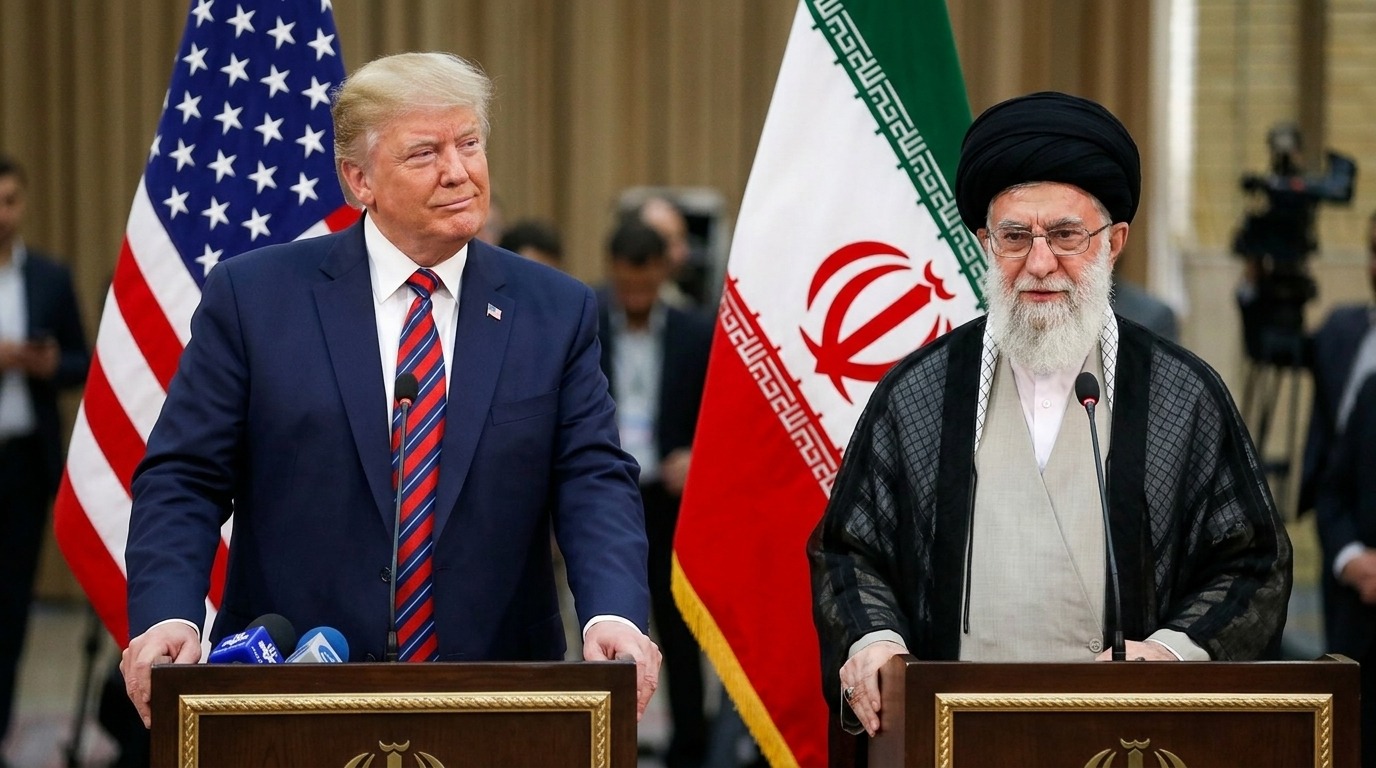
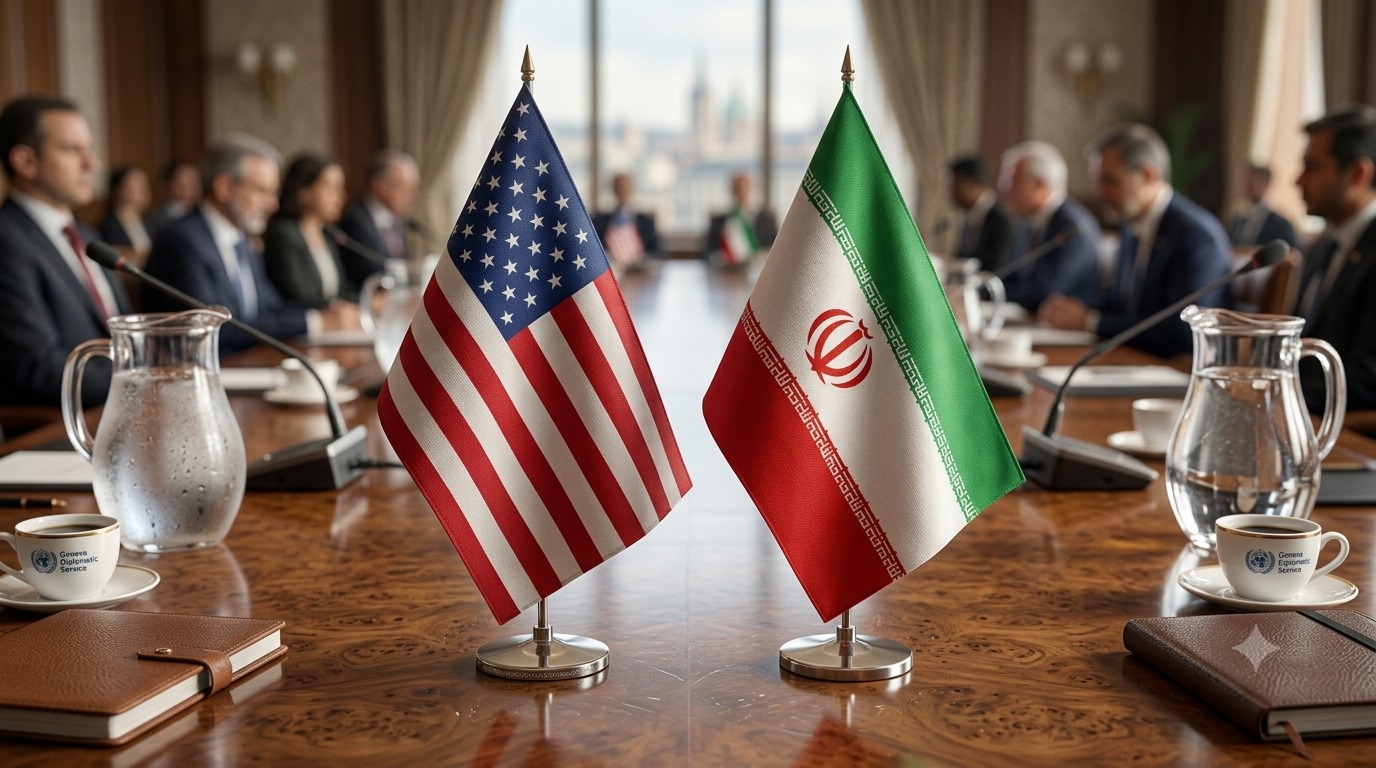
Market participants, however, continue to view developments involving the United States and Iran as a significant geopolitical risk. Analysts say any escalation affecting shipping activity could rapidly influence oil prices, freight costs and inflation expectations across major economies.
Businesses dependent on international supply chains are maintaining contingency plans developed during previous periods of geopolitical uncertainty. Logistics companies, manufacturers and commodity traders continue monitoring shipping routes, insurance costs and regional security developments to minimise operational risk.
Governments are also strengthening energy security strategies through diversified supply sources, strategic petroleum reserves and expanded investment in domestic infrastructure. The latest developments reinforce broader efforts to reduce dependence on vulnerable trade routes while improving long-term resilience.
Economists note that geopolitical stability has become increasingly important to business confidence. Predictable energy markets support investment planning, corporate profitability and consumer spending, while prolonged uncertainty can discourage capital investment and weaken economic growth.
Financial markets have responded positively to the absence of immediate disruptions, although investors remain cautious ahead of further diplomatic developments. Commodity prices continue reflecting a balance between improving supply conditions and underlying geopolitical risk.
For executives, the Strait of Hormuz remains more than a regional security issue—it is a strategic economic variable capable of influencing global supply chains, inflation, investment decisions and corporate performance. Businesses are therefore expected to maintain a heightened focus on geopolitical risk management even as market conditions show signs of stabilising.