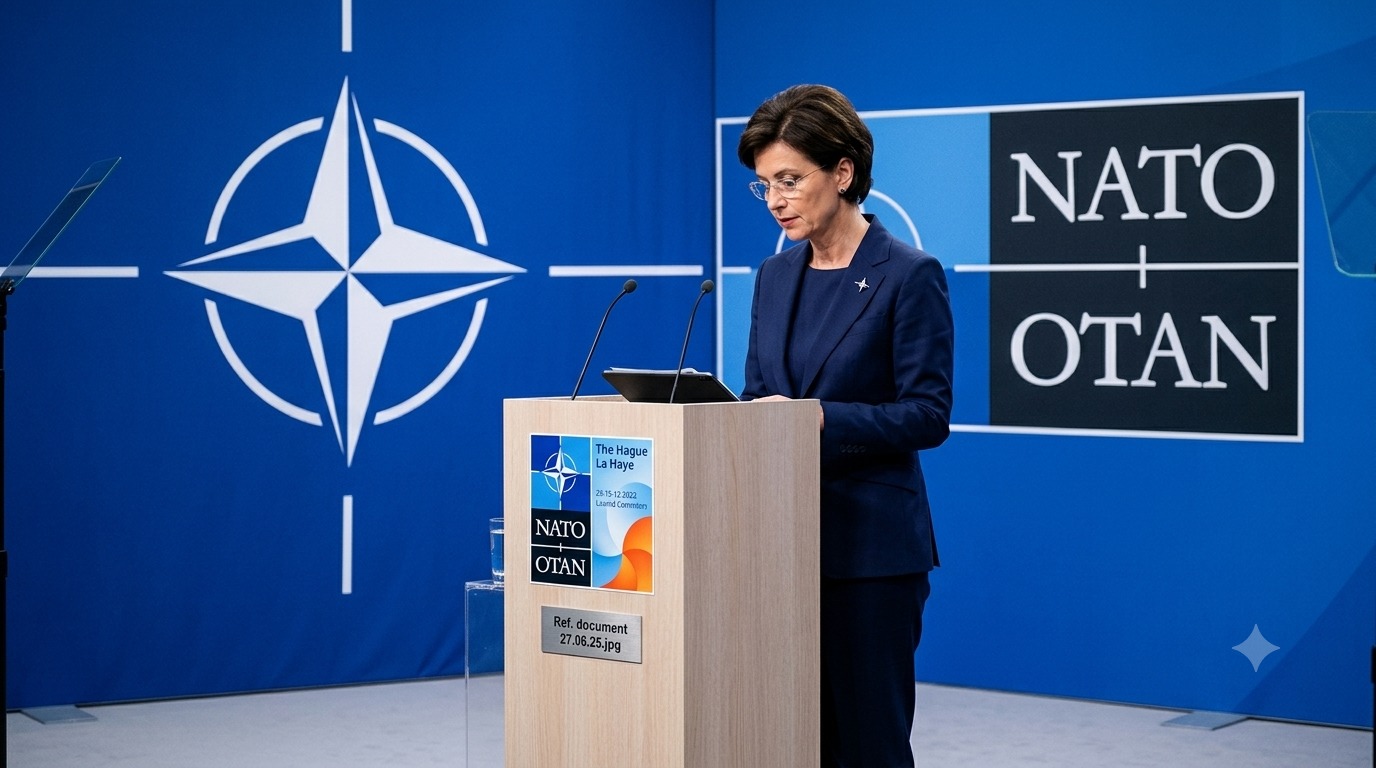
The meeting comes as geopolitical tensions continue influencing public spending priorities across Europe and North America, with member states facing increasing pressure to strengthen military capabilities while supporting domestic industrial production.
For businesses, the implications extend well beyond the defence sector. Governments are expected to accelerate investment in advanced manufacturing, cybersecurity, artificial intelligence, aerospace, energy infrastructure and critical supply chains—areas increasingly regarded as essential to national security and economic stability.
Industry executives say defence spending has become a catalyst for broader industrial policy, driving demand for engineering services, advanced electronics, telecommunications infrastructure and specialised manufacturing.
Financial markets have also responded to the changing geopolitical landscape. Defence companies, cybersecurity firms and infrastructure providers have attracted stronger investor interest as governments commit larger portions of national budgets to strategic resilience.
Economists note that the intersection of geopolitics and industrial policy is reshaping investment decisions globally. Rather than treating defence solely as a public expenditure, policymakers increasingly view security investment as part of wider economic development strategies designed to strengthen domestic production and technological capability.
The summit is also expected to reinforce cooperation on energy security, digital infrastructure and critical mineral supply chains, reflecting concerns over economic vulnerabilities exposed by recent geopolitical disruptions.
While increased defence expenditure may stimulate industrial activity in the short term, analysts caution that governments must balance security commitments with fiscal sustainability, particularly as public debt remains elevated across several advanced economies.
Investors will closely monitor announcements related to procurement programmes, industrial partnerships and infrastructure initiatives that could create long-term opportunities across multiple sectors.
For policymakers, the summit represents a recognition that economic competitiveness, technological leadership and national security are becoming increasingly interconnected, requiring coordinated strategies that extend beyond traditional defence planning.