Equity markets have experienced cautious trading as investors evaluate multiple sources of uncertainty simultaneously, including geopolitical tensions, commodity price volatility and the sustainability of corporate earnings growth following two years of significant investment in artificial intelligence.
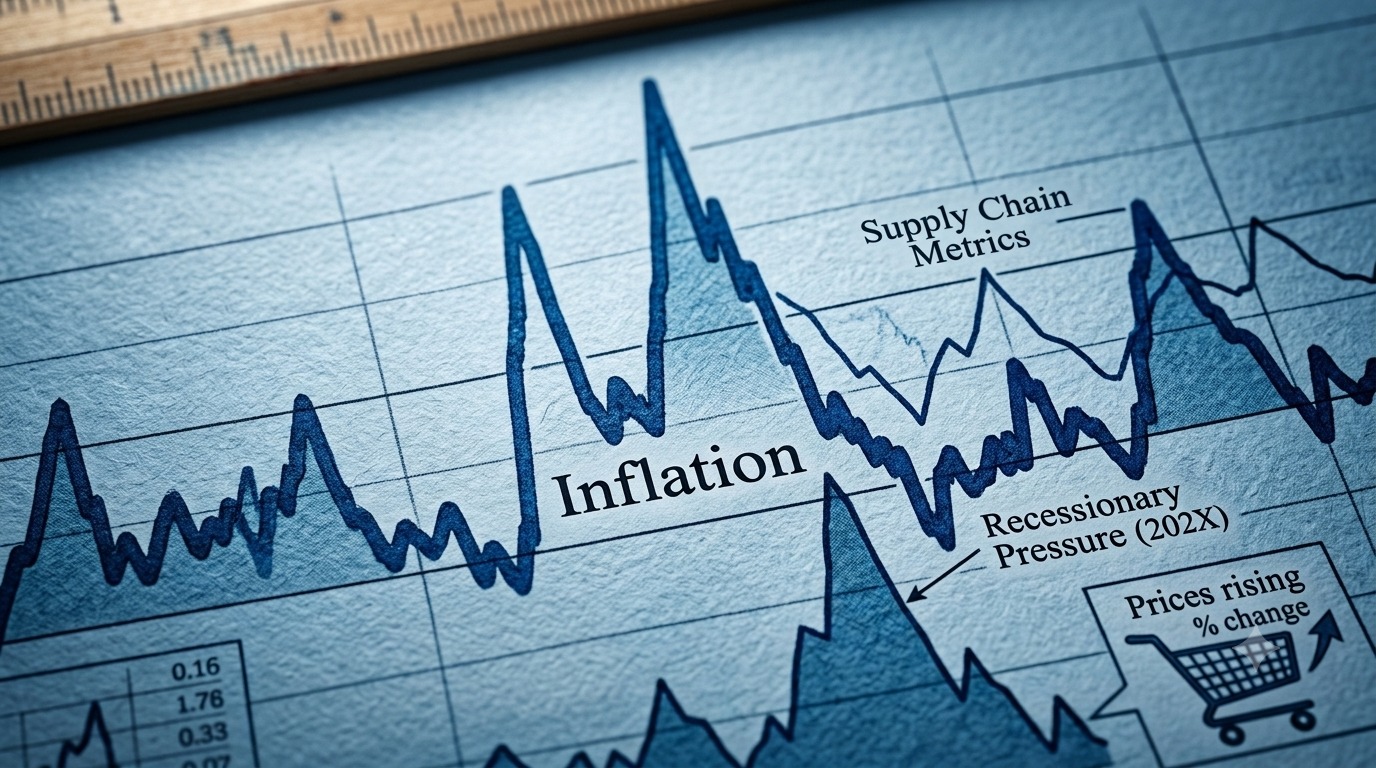
Demand for traditional safe-haven assets—including government bonds, gold and defensive equity sectors—has strengthened as portfolio managers seek protection against potential market volatility. At the same time, investors continue monitoring oil prices for signs that sustained increases could reignite inflation and complicate monetary policy across major economies.
Attention is also turning toward the upcoming earnings reports from leading semiconductor and technology companies, which are expected to provide critical evidence of whether corporate AI investment continues supporting revenue growth and productivity gains.
Market strategists say the convergence of inflation risks, geopolitical uncertainty and technology-sector expectations has created one of the most complex investment environments since the post-pandemic recovery.
Businesses remain cautious about capital expenditure while assessing financing costs, supply-chain resilience and consumer demand across international markets. This uncertainty has contributed to greater emphasis on balance-sheet quality, cash generation and operational flexibility among institutional investors.
Economists note that financial markets increasingly reflect structural themes rather than short-term economic cycles. Artificial intelligence, energy security, industrial policy and geopolitical fragmentation are becoming central drivers of capital allocation and long-term investment strategy.
Central banks remain another important variable. Investors continue evaluating whether policymakers will maintain restrictive monetary conditions or begin gradually easing interest rates should inflation continue moderating during the second half of the year.
For executives, the current investment climate underscores the importance of strategic planning rather than tactical decision-making. Companies capable of adapting to technological transformation while managing geopolitical and macroeconomic risks are expected to remain better positioned for sustained growth.
As global markets navigate a rapidly evolving landscape, institutional investors are placing increasing emphasis on resilience, diversification and long-term value creation rather than short-term market momentum.