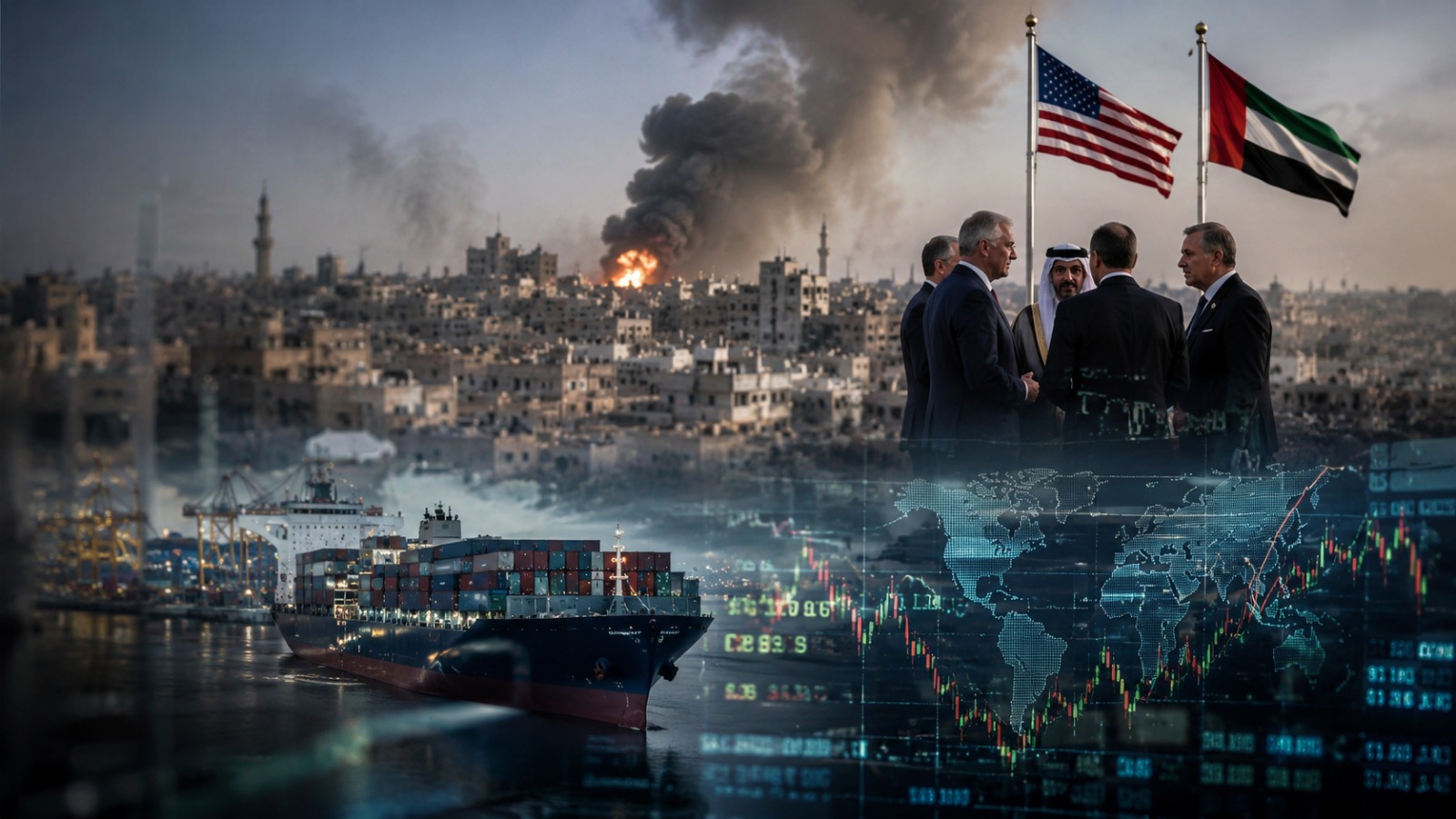
Recent diplomatic engagement has reduced immediate concerns over a broader regional escalation, allowing policymakers to shift attention toward longer-term strategic challenges exposed by the crisis. The episode has highlighted the interconnected nature of security, trade and economic stability in an increasingly complex global environment.
Officials across Europe, Asia, Africa and North America are evaluating lessons from the disruption, particularly regarding energy dependence, supply-chain resilience and the vulnerability of critical infrastructure. Governments are increasingly viewing economic preparedness as an essential component of national security.
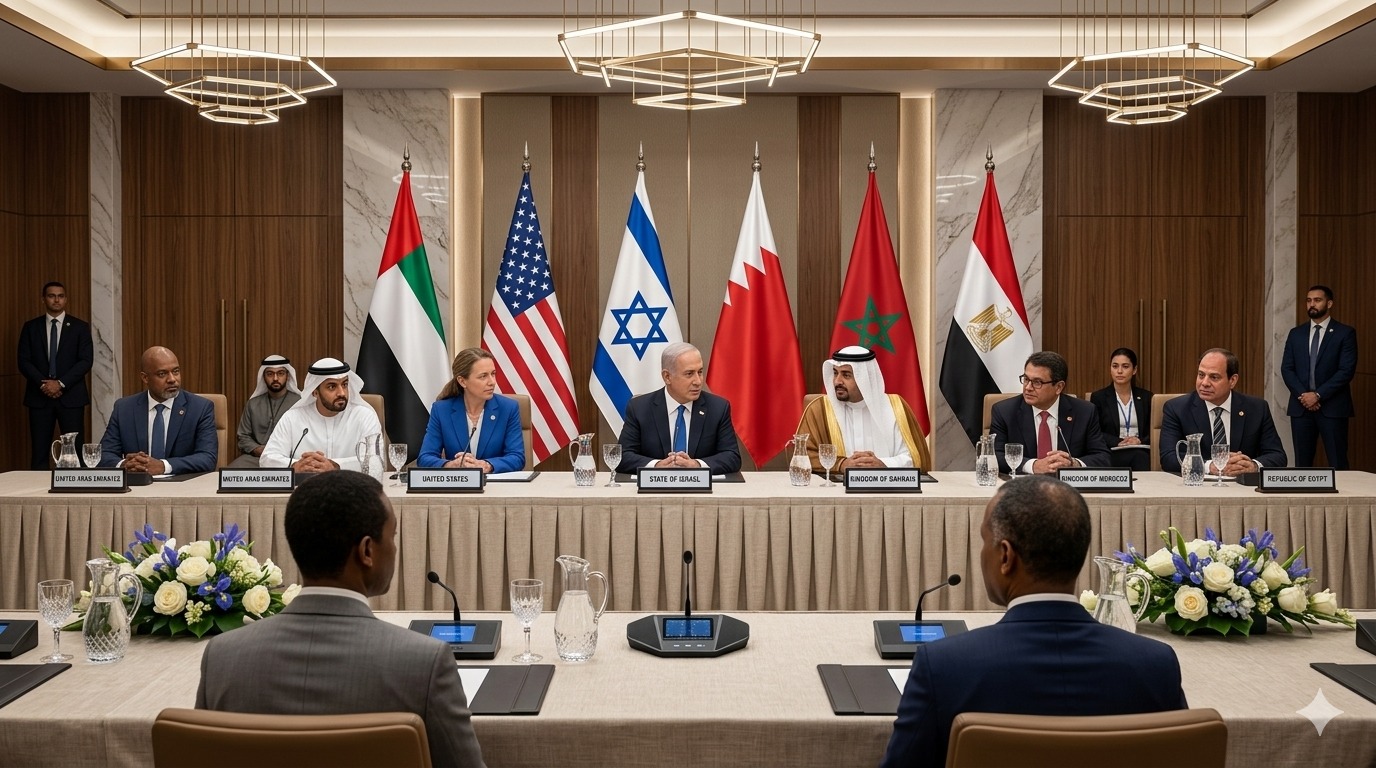
The diplomatic response has also reinforced the importance of international coordination during periods of uncertainty. Multilateral institutions and regional organisations have played a significant role in supporting dialogue and reducing market concerns.
Analysts say the broader significance of the crisis lies not only in the events themselves but in how governments are responding. Strategic planning is increasingly focused on resilience, diversification and risk management rather than solely on immediate crisis resolution.
Business leaders are closely monitoring these developments, recognising that shifts in diplomatic priorities can influence investment flows, trade relationships and regulatory frameworks.
Economists note that geopolitical events increasingly generate economic consequences that extend well beyond their immediate geographic origins. The ability of governments to manage these connections is becoming a critical determinant of economic performance and investor confidence.
For the international community, the challenge moving forward will be translating short-term diplomatic success into long-term stability. The lessons learned from recent events are likely to influence policy decisions, investment strategies and international cooperation efforts for years to come.