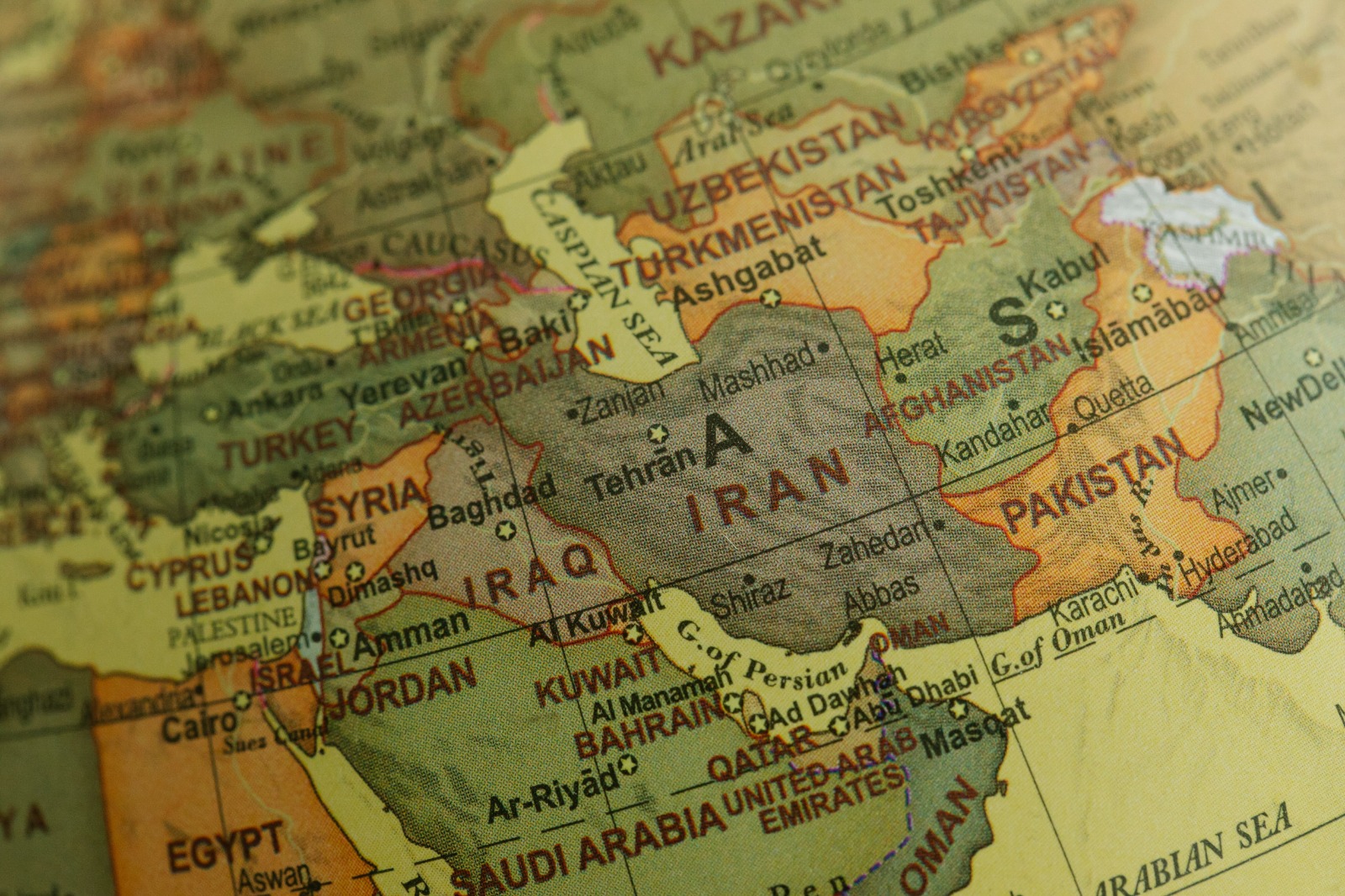
Diplomatic efforts involving major powers have intensified amid growing concern that prolonged uncertainty could affect international commerce, financial markets and broader economic confidence.
Although commercial shipping and energy exports have continued without major interruption, governments are increasingly coordinating contingency measures aimed at safeguarding strategic trade routes and ensuring the resilience of critical supply chains.
The implications extend well beyond the region. Energy-importing economies remain particularly sensitive to fluctuations in crude oil prices, while manufacturers and logistics providers continue assessing the potential impact of higher transportation costs on global production networks.
International organisations have also emphasised the importance of diplomatic engagement to minimise risks that could undermine economic stability or disrupt humanitarian operations.
Business leaders are monitoring developments closely as geopolitical uncertainty becomes a more significant factor influencing investment planning, procurement strategies and international expansion decisions.
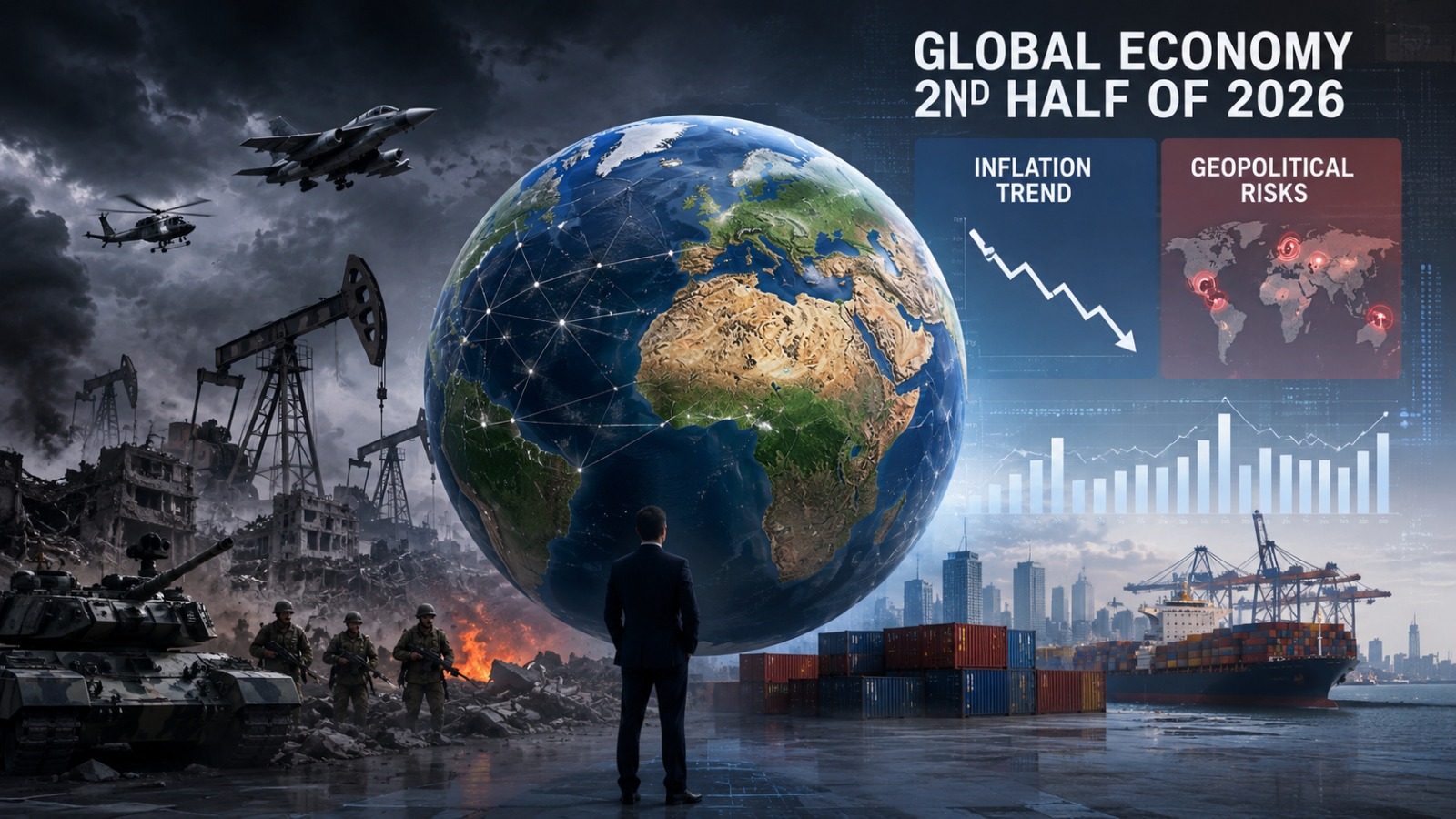
Economists note that geopolitical events now exert greater influence over economic expectations than in previous decades due to the increasing integration of global supply chains and financial markets.
Several governments have accelerated strategic reviews covering energy security, infrastructure resilience and industrial competitiveness in response to changing geopolitical realities.
For multinational corporations, geopolitical intelligence has become an increasingly important component of enterprise risk management, complementing traditional financial and operational planning.
As diplomatic negotiations continue, policymakers face the challenge of maintaining international stability while protecting economic growth in an increasingly interconnected global environment.