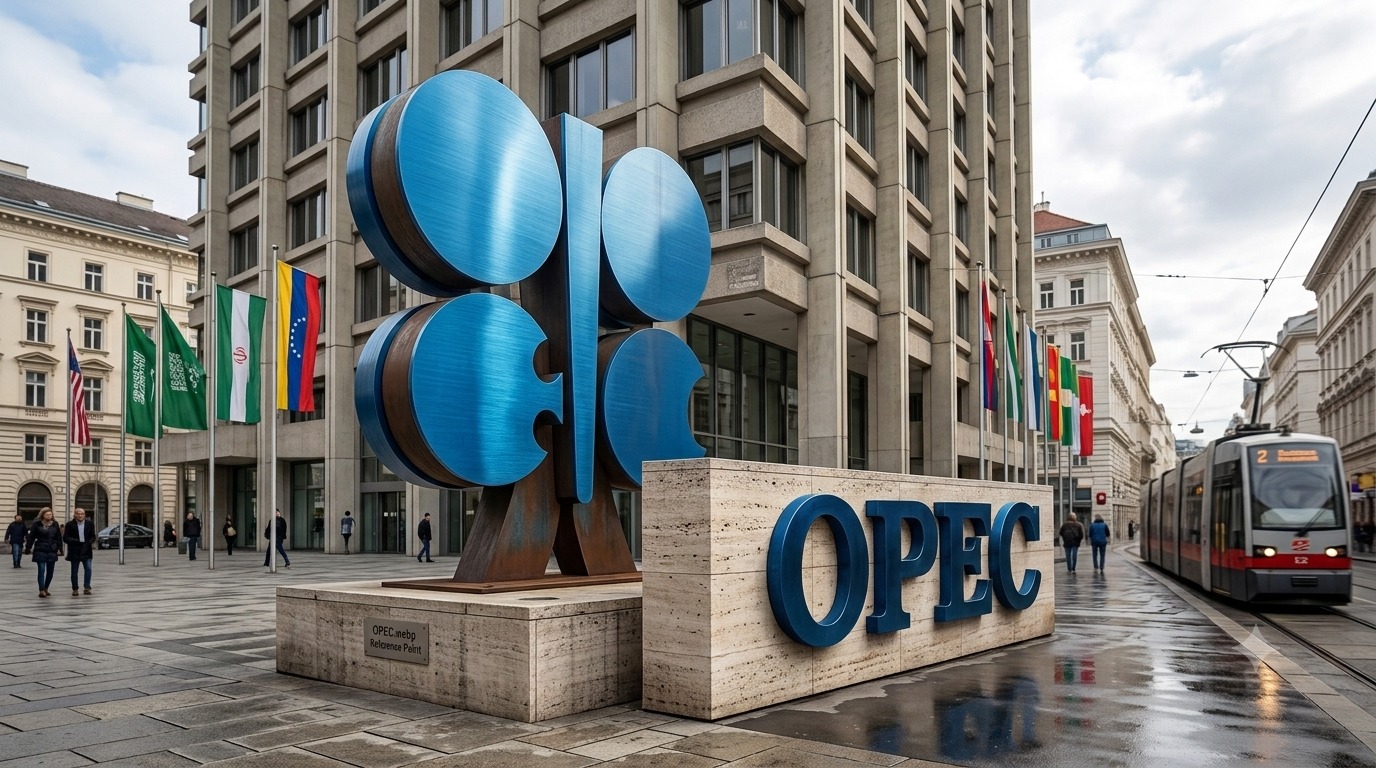
The producer alliance agreed to raise output as demand remains resilient and geopolitical risks continue influencing market sentiment. The move is widely viewed as an effort to maintain market stability while preventing excessive price volatility that could undermine global economic recovery.
Lower oil prices have already begun easing pressure on energy-intensive industries including manufacturing, aviation, logistics and construction. Businesses that rely heavily on fuel for production and transportation stand to benefit from reduced operating expenses, potentially improving profitability during the second half of the year.
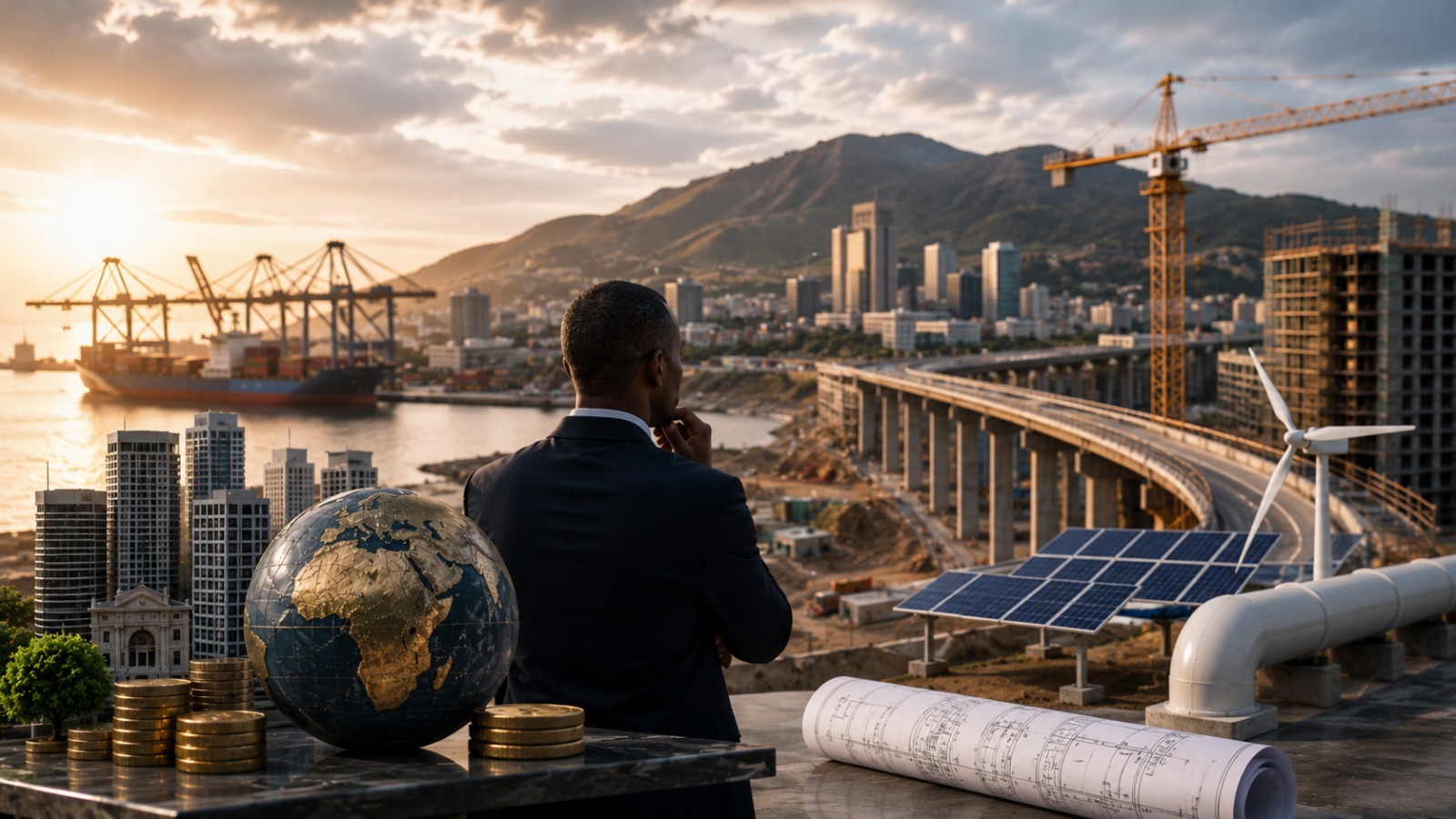
Infrastructure developers are also expected to gain from a more stable energy environment. Lower fuel and material transportation costs could improve project economics for large-scale investments in construction, transport and industrial development.
At the same time, energy companies continue balancing immediate production objectives with longer-term investment strategies. Analysts note that while conventional energy remains essential to global economic activity, governments are accelerating investments in renewable energy, grid modernisation and energy security to reduce future exposure to commodity price shocks.
Economists say the latest production increase reflects a broader shift toward market management rather than aggressive price support. Stable energy prices are increasingly recognised as critical for controlling inflation, supporting industrial competitiveness and encouraging business investment.
Investors are closely monitoring how sustained production levels influence corporate earnings across both traditional energy producers and industries that benefit from lower input costs.
For policymakers, the development reinforces the importance of diversified energy strategies capable of balancing affordability, security and long-term sustainability. While geopolitical uncertainties continue to pose risks, improved supply conditions offer businesses and governments a more predictable environment for planning investment, infrastructure development and economic policy over the months ahead.