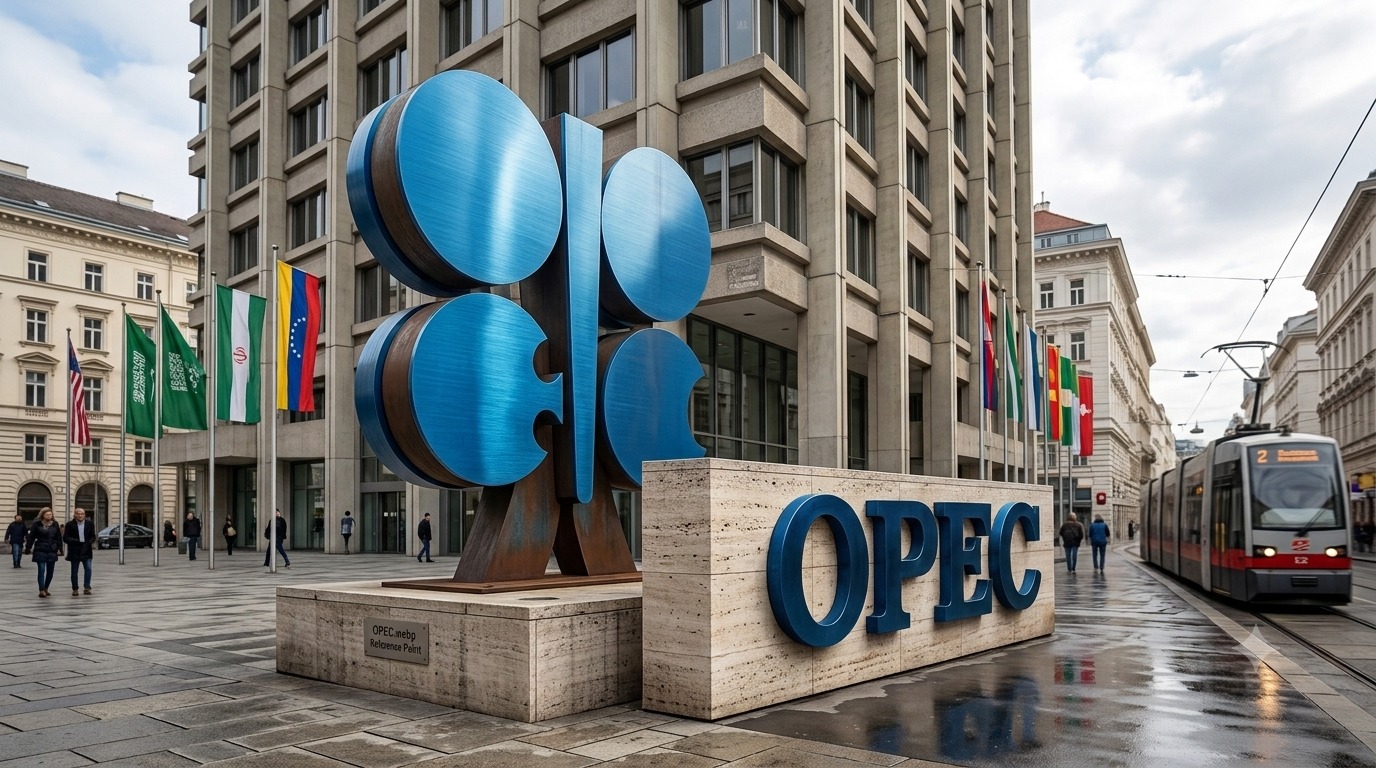
While fears of immediate supply disruption have eased, energy analysts say the market remains highly sensitive to production decisions by major oil-producing nations. OPEC+ is expected to weigh current market conditions against slowing global demand, geopolitical developments and the long-term objective of maintaining price stability.
The group's decision carries implications far beyond commodity markets. Oil prices continue to influence inflation trends, freight costs, industrial production and government revenues across both energy-exporting and energy-importing economies.
Businesses dependent on transportation, aviation, manufacturing and logistics remain particularly exposed to fluctuations in fuel prices. Many companies have strengthened energy-risk management strategies over recent years, yet sustained price volatility continues to affect budgeting, procurement and investment decisions.
Infrastructure investors are also monitoring developments closely. Stable energy prices provide greater certainty for long-term infrastructure planning, while prolonged volatility can delay investments in transport networks, manufacturing facilities and industrial expansion projects.
Economists say energy markets remain a critical transmission channel through which geopolitical events influence broader economic performance. Higher oil prices can increase production costs, weaken consumer spending and complicate central-bank efforts to return inflation to target levels.
At the same time, governments continue accelerating investment in renewable energy, electricity networks and energy security initiatives aimed at reducing long-term dependence on volatile fossil fuel markets. The transition, however, is expected to unfold over many years, leaving conventional energy markets central to global economic stability.
Investors will be watching not only OPEC+'s production targets but also guidance on future supply management and demand expectations.
For policymakers and corporate leaders alike, the upcoming decision represents more than an energy market event. It will serve as an important indicator of how producers intend to navigate an increasingly complex global environment where geopolitics, inflation and economic growth remain closely interconnected.