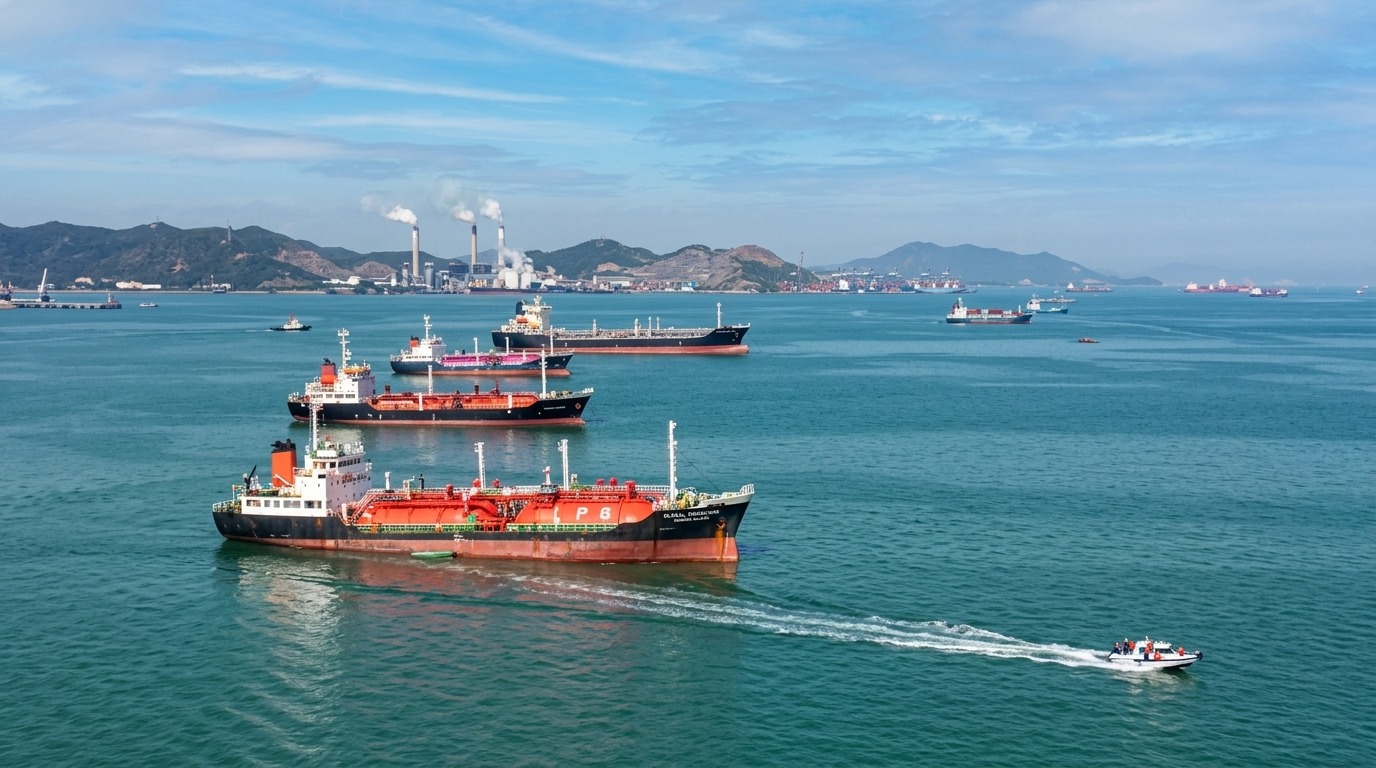
The waterway remains a critical artery for global energy markets, carrying a substantial share of internationally traded crude oil and liquefied natural gas. While commercial shipping continues through the corridor, recent tensions have heightened concerns over transport costs, insurance premiums and supply-chain resilience.
Energy companies and commodity traders are closely monitoring vessel movements and freight markets for signs of sustained disruption. Industry executives say even limited interruptions could influence global fuel prices, manufacturing costs and inflation expectations far beyond the Middle East.
Shipping firms have begun reviewing operational contingency plans, while insurers are evaluating regional risk exposure. Higher insurance premiums and longer voyage planning could increase transportation costs for businesses dependent on imported energy, industrial materials and consumer goods.
The implications extend well beyond oil markets. Manufacturing companies, airlines, logistics providers and retailers all face potential cost increases should shipping conditions deteriorate or energy prices remain elevated for an extended period.
Governments are also accelerating discussions around strategic petroleum reserves, alternative shipping routes and long-term infrastructure investments designed to strengthen energy security and reduce dependence on vulnerable trade corridors.
Economists say recent developments reinforce a broader structural shift in global business strategy. Energy security is increasingly being treated not only as a geopolitical concern but as a core component of economic competitiveness, industrial resilience and investment planning.
The renewed focus on infrastructure resilience is expected to support investment in ports, pipelines, renewable energy systems and regional logistics networks as countries seek greater flexibility in responding to future disruptions.
For executives, the evolving situation underscores the importance of integrating geopolitical risk into corporate planning. Companies with diversified supply networks, flexible logistics capabilities and stronger energy resilience are likely to remain better positioned in an increasingly uncertain global trading environment.