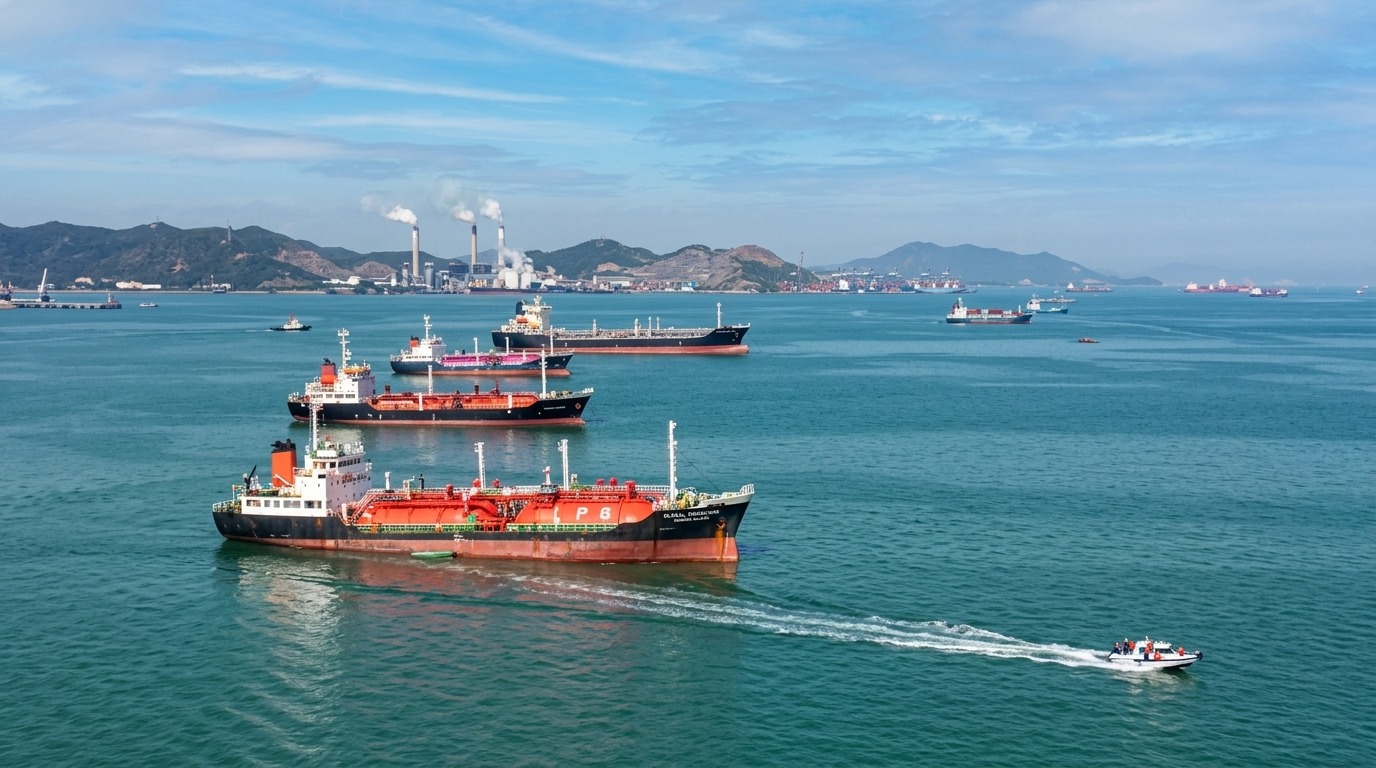
Market participants continue to monitor developments in the Middle East, where uncertainty surrounding regional stability has increased the likelihood of prolonged volatility in global energy markets. Although physical supplies remain largely uninterrupted, traders have priced in additional geopolitical risk, pushing crude benchmarks higher.
The increase in oil prices is already influencing corporate planning across transport, manufacturing, aviation and logistics industries, where fuel costs represent a significant share of operating expenditure.
Governments are also reviewing strategic energy policies amid concerns that sustained market volatility could increase inflationary pressures while slowing economic growth. Several countries have accelerated efforts to strengthen energy diversification, expand domestic infrastructure and improve supply resilience through renewable energy investments and strategic reserves.
Energy analysts argue that recent developments highlight the growing intersection between geopolitics and infrastructure planning. Beyond immediate price movements, businesses are increasingly evaluating long-term exposure to geopolitical risk when making capital investment decisions.
Infrastructure operators are also reassessing contingency planning for critical assets, including ports, pipelines, storage facilities and electricity networks that support industrial production and international trade.
The latest uncertainty arrives as many economies continue balancing energy transition objectives with near-term energy security requirements. While investment in renewable technologies continues expanding, fossil fuels remain central to global industrial activity and transportation systems.
Economists warn that higher energy prices could feed into broader inflation, increasing costs across manufacturing, agriculture and consumer sectors while delaying anticipated monetary easing in several economies.
For investors, energy markets remain highly sensitive to geopolitical developments. Companies with diversified energy portfolios, resilient infrastructure assets and strong risk management capabilities may be better positioned to navigate an increasingly uncertain operating environment.