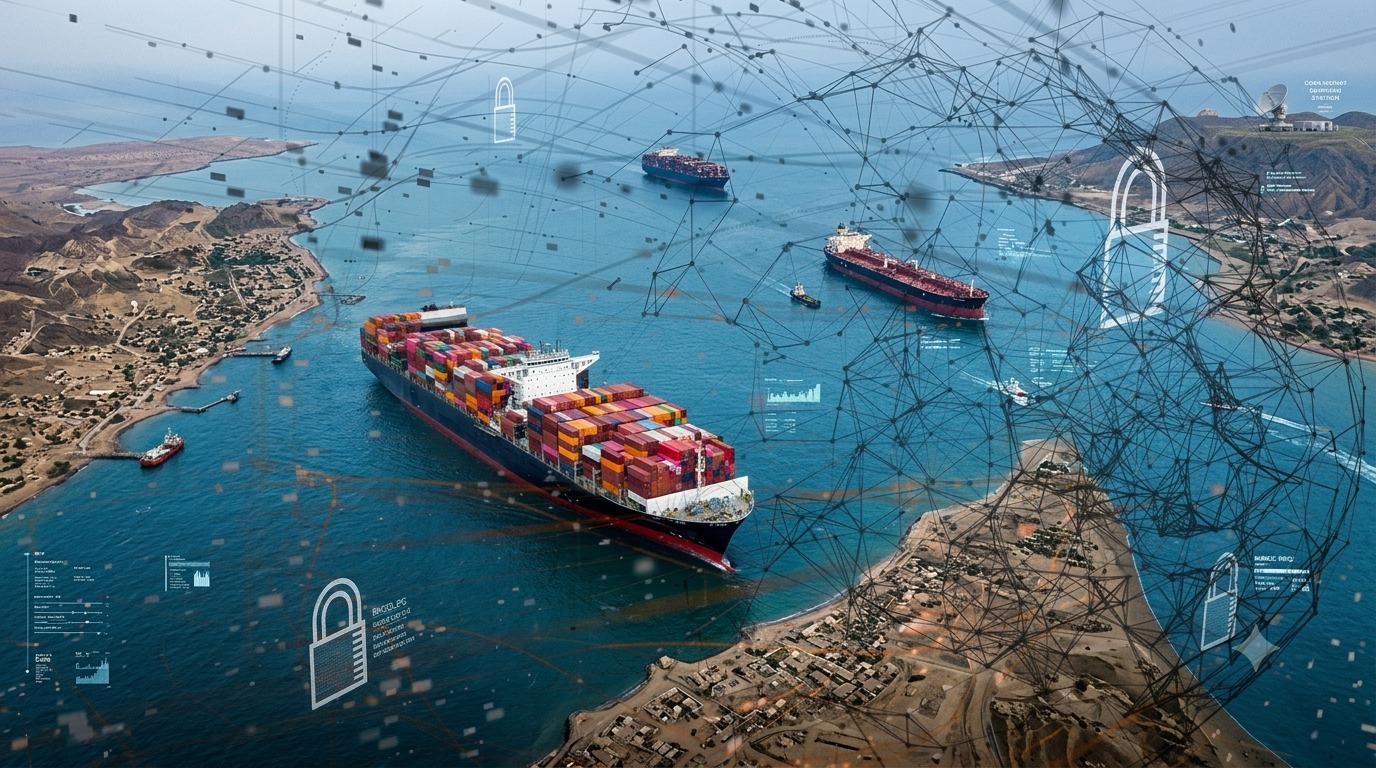
Although commercial traffic through the strategic waterway has continued, escalating geopolitical tensions have prompted shipping companies, insurers and multinational manufacturers to review contingency plans amid fears that any disruption could reverberate across global supply chains.
Companies dependent on imported raw materials, chemicals, electronics and energy-intensive inputs are among those most exposed. Several industrial firms have begun increasing inventory levels while exploring alternative suppliers and shipping routes to reduce reliance on a single trade corridor.
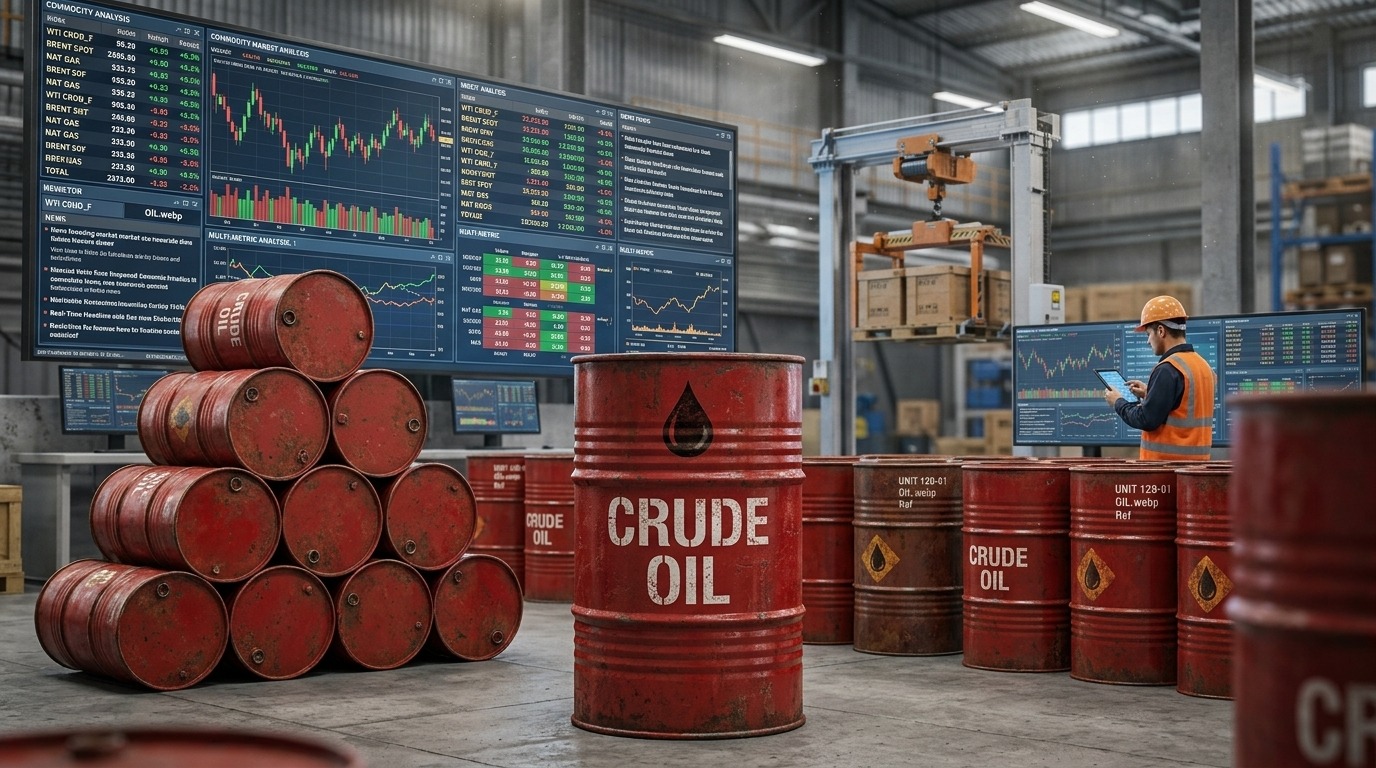
The Strait of Hormuz remains one of the world's most strategically significant maritime chokepoints, carrying a substantial share of globally traded crude oil and liquefied natural gas. Any prolonged disruption would likely increase transportation costs while delaying deliveries for manufacturers operating under just-in-time production models.
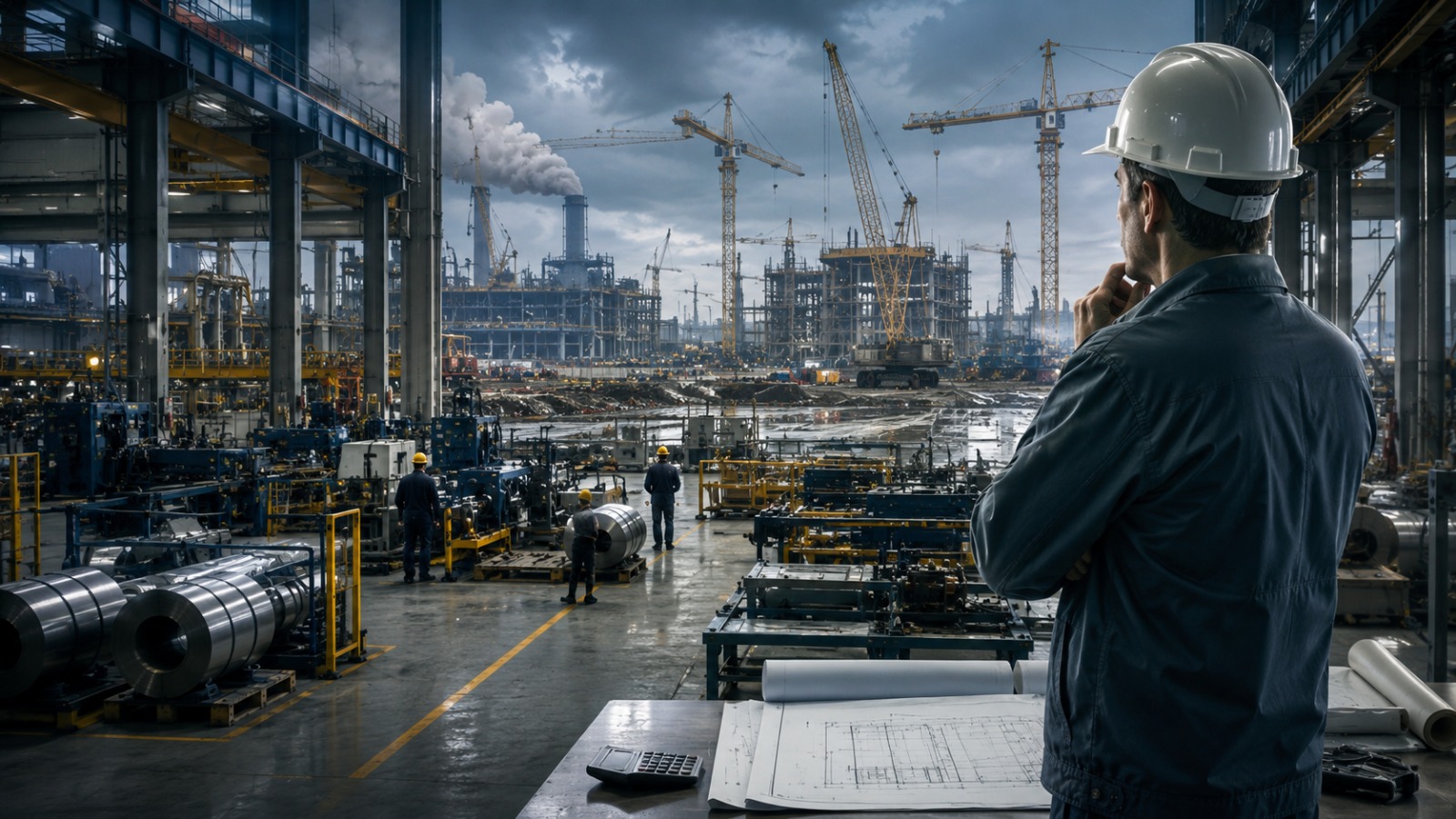
Industry analysts say the latest developments reinforce a structural shift already underway within global manufacturing. Since the pandemic, companies have increasingly prioritised supply-chain resilience over cost efficiency, investing in supplier diversification, regional manufacturing hubs and digital logistics systems designed to improve operational flexibility.
Higher shipping insurance premiums and rising freight rates are already beginning to influence procurement decisions, particularly for businesses with narrow operating margins. Manufacturers across automotive, chemicals, consumer goods and electronics sectors are expected to remain cautious until geopolitical conditions stabilise.
Economists warn that sustained disruptions could contribute to renewed inflationary pressures by increasing production costs that are eventually passed through to consumers. Such an outcome could complicate monetary policy at a time when central banks are seeking evidence that inflation is returning sustainably toward target levels.
For executives, the immediate challenge is balancing cost control with operational resilience. For investors, attention will remain focused on companies with diversified supply chains, stronger inventory management and greater geographic flexibility as geopolitical uncertainty continues reshaping global industrial strategy.