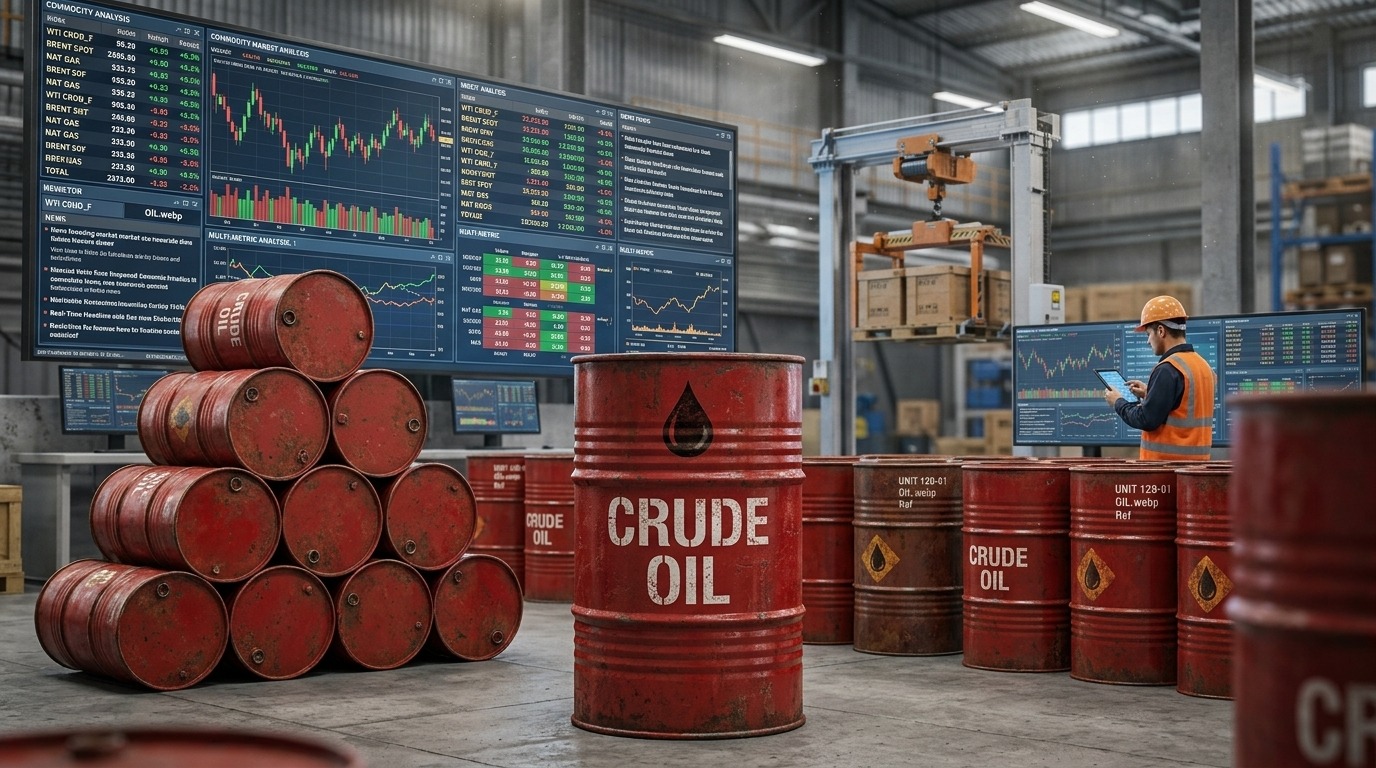
Brent crude retreated after OPEC+ confirmed a larger-than-expected production increase for August, helping to ease concerns over fuel supply disruptions and moderating inflation expectations across major economies. The decline in energy prices has been welcomed by manufacturers, logistics operators, airlines and consumer goods companies, many of which have spent the past year navigating elevated transportation and production costs.
The shift in energy markets comes as investors prepare for quarterly earnings reports from multinational corporations expected to provide the clearest indication yet of how businesses are adapting to a more stable cost environment. Analysts say companies with diversified supply chains and disciplined cost management are likely to outperform peers that remain exposed to commodity price volatility.
Manufacturing executives have also pointed to improving freight costs and shorter delivery times as supply-chain conditions continue to normalise following years of disruption caused by the pandemic, geopolitical tensions and inflationary pressures.
For industrial companies, lower fuel prices translate directly into reduced operating expenses across transportation, production and distribution networks. Retailers are similarly expected to benefit from easing logistics costs ahead of seasonal inventory planning, while consumer-facing businesses could experience stronger demand if lower energy prices support household purchasing power.
Economists caution that businesses remain exposed to broader uncertainties, including geopolitical developments, trade policy shifts and labour market dynamics. However, the recent moderation in energy costs provides firms with greater flexibility to invest in expansion, technology and workforce development.
Investors are expected to focus closely on corporate guidance during the earnings season, looking beyond headline profits to assess capital expenditure plans, productivity initiatives and expectations for the remainder of the year.
For executives, the latest developments reinforce an increasingly important lesson: resilience is no longer defined solely by managing disruption, but by positioning organisations to capture growth opportunities as macroeconomic conditions gradually improve.