Executives from manufacturing, logistics and industrial sectors are reassessing expansion timelines, equipment purchases and factory investments amid concerns that tighter financial conditions and renewed energy market volatility could weigh on profitability through the second half of 2026.
The shift comes as businesses continue navigating an environment characterised by relatively high interest rates, uneven consumer demand and supply-chain risks linked to geopolitical developments in key trade corridors. While inflation has eased from its post-pandemic peaks in many advanced economies, financing costs remain significantly higher than levels that supported corporate expansion over the past decade.
Industry analysts say companies are increasingly prioritising operational resilience over rapid expansion. Capital expenditure programmes are being scrutinised more closely, with management teams favouring automation, productivity improvements and supply-chain diversification rather than aggressive capacity growth.
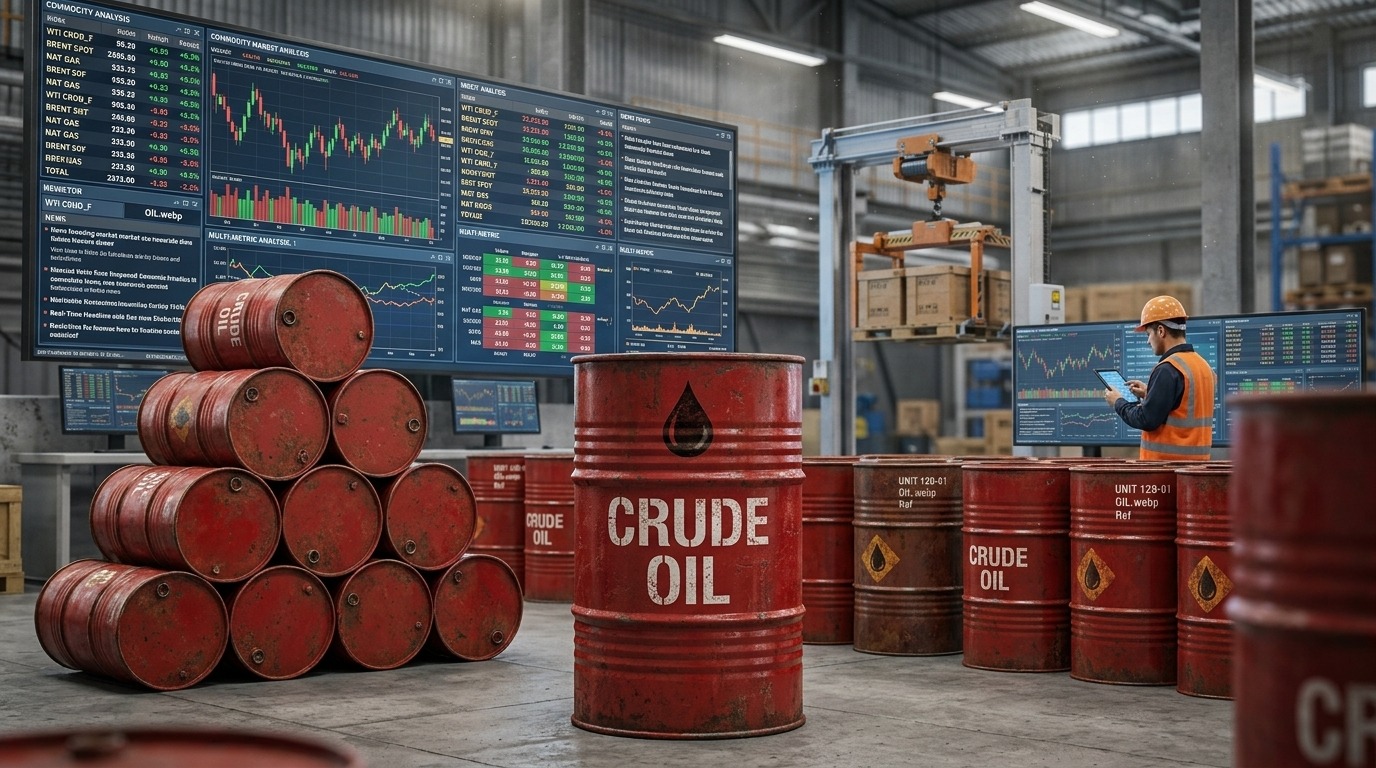
Energy-intensive industries—including chemicals, steel, automotive manufacturing and heavy engineering—remain particularly exposed to fluctuations in oil, natural gas and electricity prices. Rising logistics expenses and insurance costs have further complicated long-term investment planning, especially for firms with globally integrated supply chains.
Financial markets are also influencing corporate decision-making. Higher borrowing costs have increased the hurdle rate for new investment projects, prompting businesses to delay acquisitions, factory construction and large-scale infrastructure spending until financing conditions become more predictable.
Economists note that slower industrial investment could have broader implications for productivity growth, employment and manufacturing output across advanced and emerging economies. At the same time, many companies continue investing selectively in artificial intelligence, digital manufacturing and supply-chain technology aimed at improving efficiency rather than expanding physical production.
Investors are expected to focus closely on upcoming corporate earnings for evidence of changing capital expenditure strategies and management guidance on business confidence.
For policymakers, the emerging trend underscores the challenge of balancing inflation control with economic expansion. While tighter monetary policy has helped moderate price pressures, sustained caution among manufacturers could weigh on industrial growth and delay broader economic recovery if financing conditions remain restrictive.