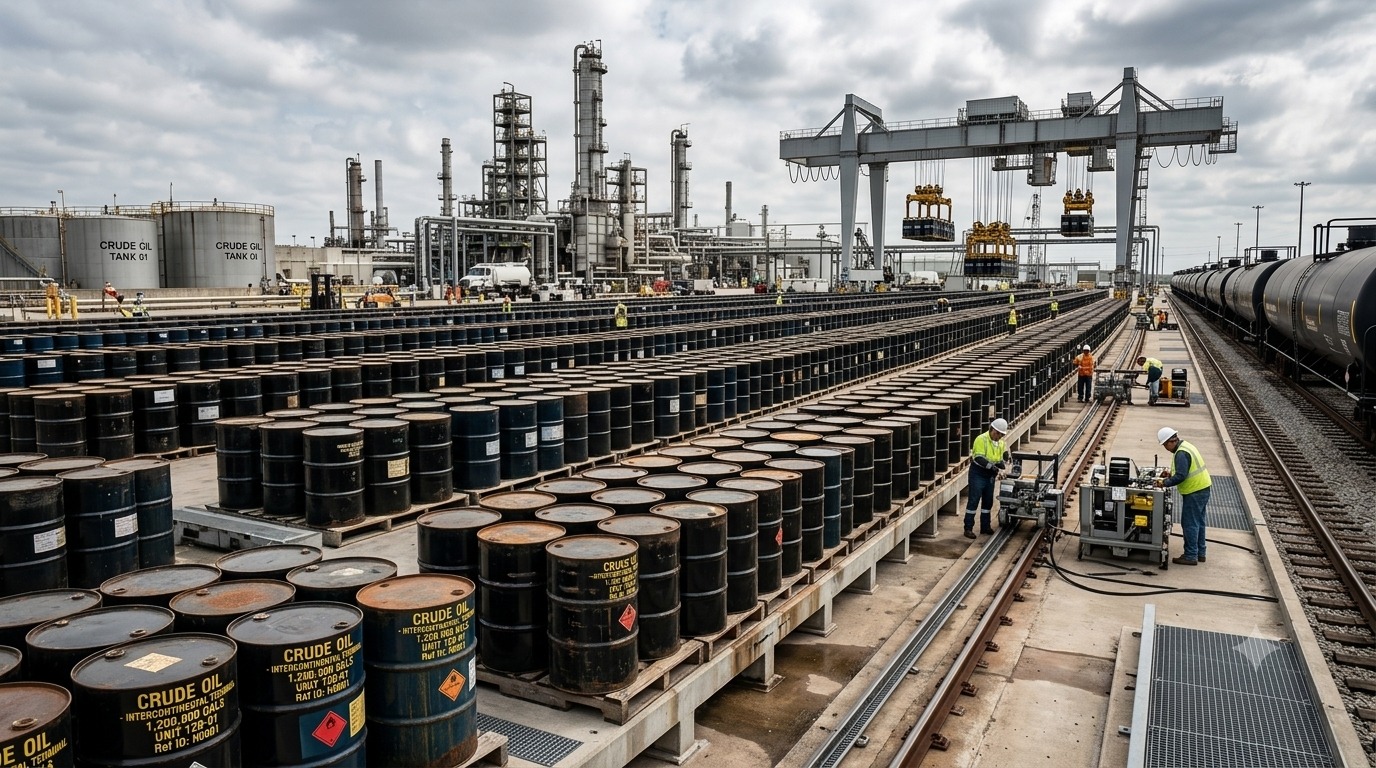
Brent crude retreated as investors reassessed geopolitical risks following indications of renewed diplomatic communication, reducing fears of supply interruptions that had previously driven volatility across energy markets.
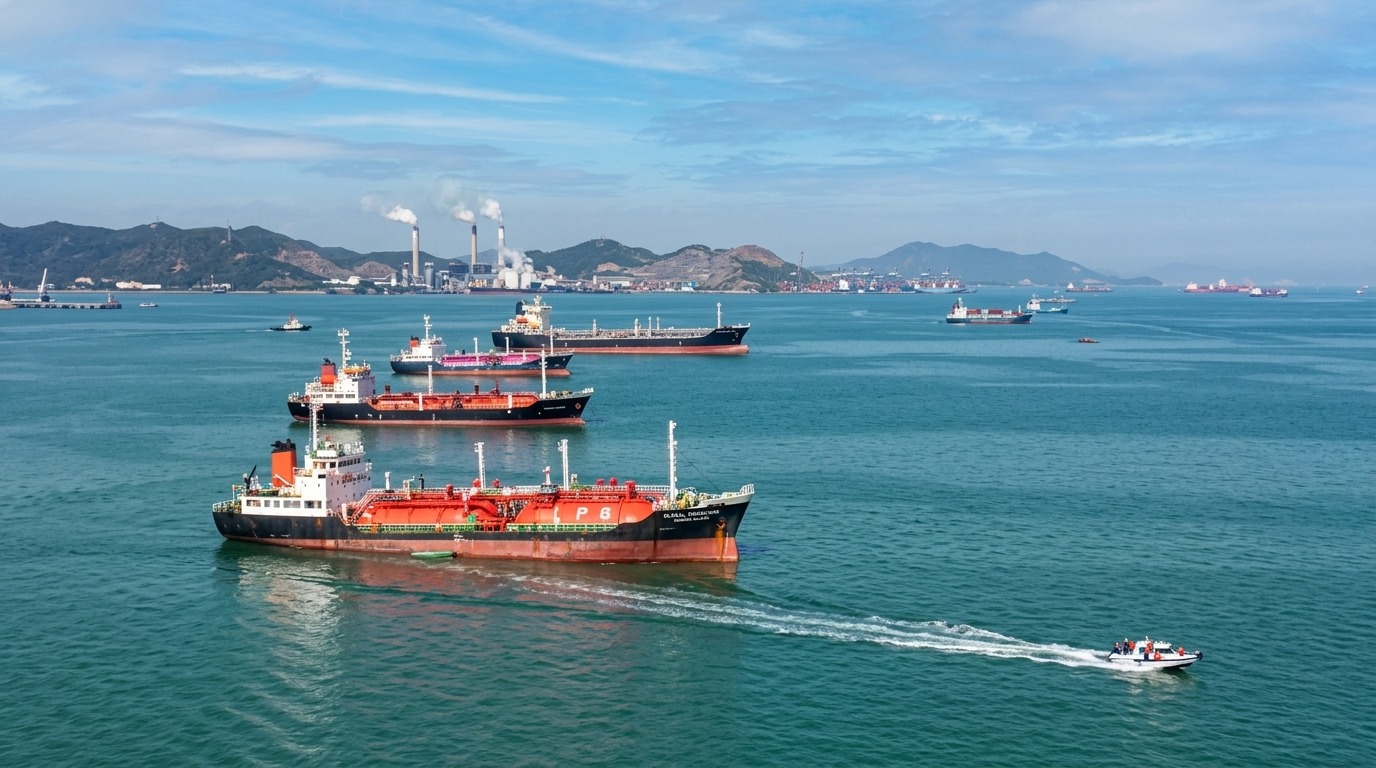
For businesses, lower oil prices offer potential cost savings across manufacturing, aviation, shipping and logistics—industries that remain heavily exposed to fluctuations in fuel prices. Reduced transportation expenses could help moderate supply-chain costs that have remained elevated since successive disruptions caused by the pandemic, geopolitical conflicts and inflationary pressures.
Energy-intensive manufacturers are also expected to benefit from improved cost predictability, particularly firms operating in chemicals, heavy industry and industrial production. Lower fuel costs may gradually ease pressure on input prices, supporting corporate margins that have been squeezed by persistent inflation and higher financing costs.
Economists caution, however, that market optimism remains fragile. Energy markets continue to respond quickly to geopolitical developments, and any deterioration in diplomatic efforts could reverse recent price declines. Businesses are therefore maintaining contingency planning rather than assuming a prolonged period of price stability.
Governments in energy-importing economies are also monitoring developments closely. Lower crude prices may contribute to improved inflation forecasts, potentially supporting central banks seeking evidence that price pressures continue to moderate. Reduced fuel costs can also improve household purchasing power while easing fiscal pressure associated with energy subsidies in several developing economies.
Infrastructure operators and transport companies remain focused on longer-term resilience, accelerating investments in energy diversification, operational efficiency and renewable infrastructure to reduce dependence on volatile fossil fuel markets.
Investors increasingly view the latest price movements as a reminder that geopolitical developments remain a major determinant of energy market performance. While diplomacy has temporarily improved market confidence, businesses continue preparing for an environment characterised by heightened geopolitical uncertainty.
The evolving relationship between international diplomacy and energy security is likely to remain one of the defining factors influencing global inflation, industrial competitiveness and supply-chain resilience throughout the remainder of the year.