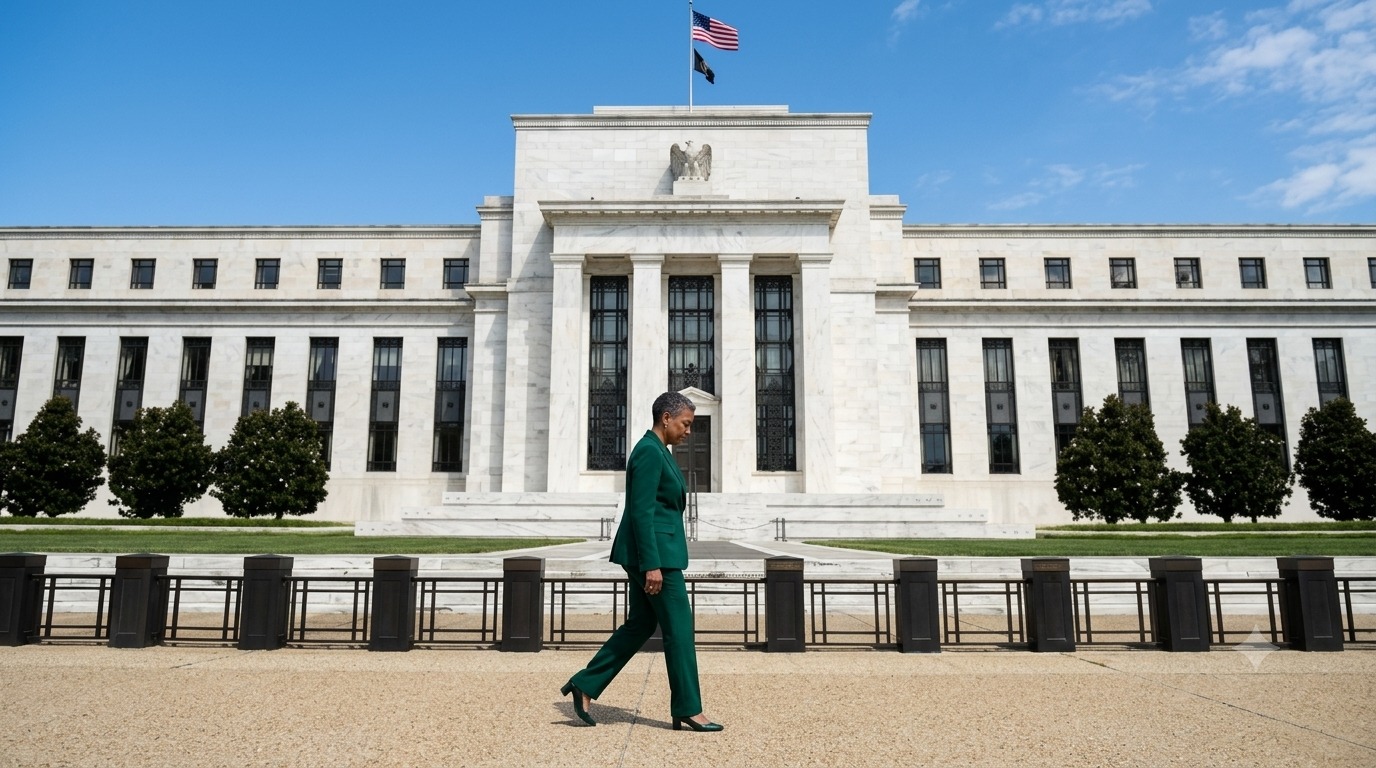
The monthly payroll report arrives at a pivotal moment for financial markets after weeks of mixed economic indicators suggested the world's largest economy remains resilient despite elevated interest rates. While inflation has moderated from its recent peaks, policymakers have repeatedly signalled that labour market strength remains central to determining whether price pressures can return sustainably to the Federal Reserve's long-term target.
Economists expect the report to influence not only domestic monetary policy but also investment decisions across global markets. A stronger-than-expected employment reading could reinforce expectations that the Federal Reserve will maintain restrictive interest rates for longer, potentially increasing financing costs for businesses and households. Conversely, signs of slowing employment growth may strengthen the case for monetary easing later this year.
For corporate America, the outcome extends beyond financial markets. Higher borrowing costs continue to influence capital expenditure, commercial real estate activity and hiring decisions across sectors including manufacturing, technology and consumer services. Business executives are increasingly balancing investment ambitions against an uncertain interest-rate environment that has complicated long-term planning.
The implications also extend internationally. U.S. monetary policy remains a key driver of global capital allocation, foreign exchange markets and investment flows into emerging economies. Higher U.S. yields typically strengthen the dollar, increase financing costs for developing economies and influence commodity pricing across international markets.
Financial institutions are expected to scrutinise wage growth alongside headline employment figures, viewing labour costs as an important indicator of underlying inflation pressures. Strong wage growth could reinforce concerns that service-sector inflation remains more persistent than previously anticipated.
For investors, the employment report represents more than a monthly economic release. It serves as a benchmark for assessing the broader trajectory of monetary policy, corporate earnings and global economic momentum.
As markets await the data, the focus remains firmly on whether labour market resilience continues to support growth or begins signalling a gradual moderation that could reshape expectations for interest rates during the second half of the year.