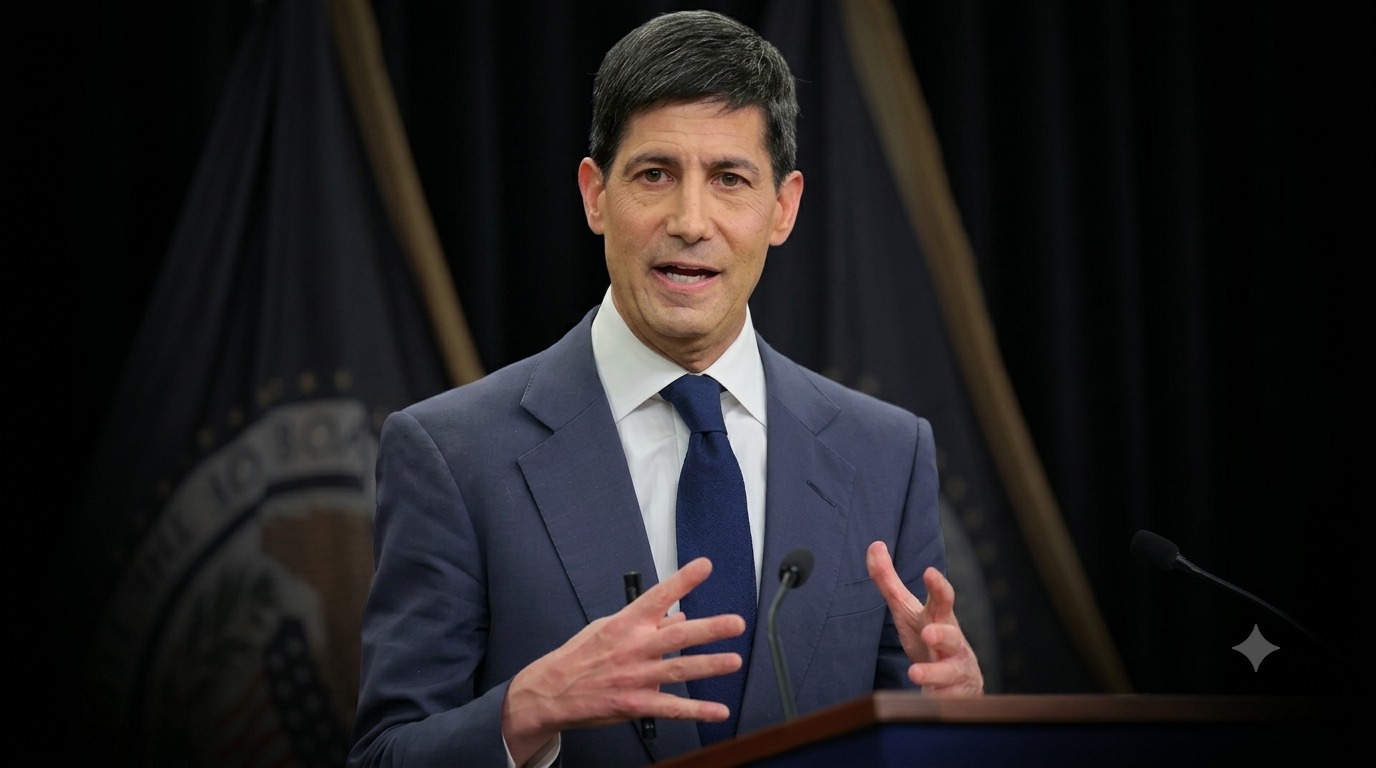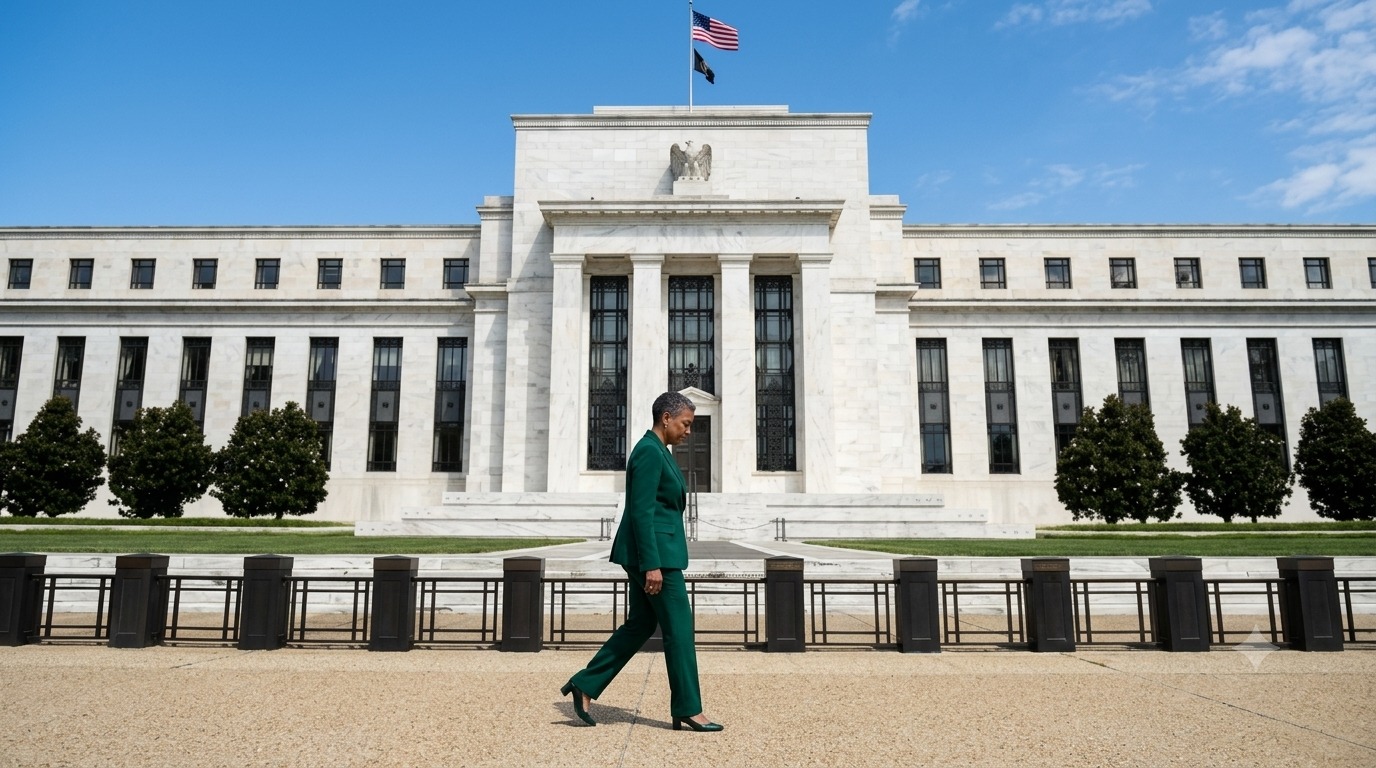
The minutes are expected to provide greater detail on discussions surrounding inflation risks, financial conditions and the timing of any future monetary policy adjustments. Financial markets remain sensitive to signals from the Federal Reserve after recent economic data suggested that inflation continues to moderate while employment growth shows signs of cooling.
Market participants have increasingly shifted their focus from whether interest rates have peaked to how long borrowing costs may remain elevated. Policymakers have consistently emphasised that future decisions will remain data dependent, particularly as inflation remains above the central bank's long-term target.
The policy outlook carries implications far beyond the United States. Global financial markets, emerging economies and multinational businesses closely monitor Federal Reserve communications because U.S. monetary policy influences capital flows, currency movements and borrowing costs worldwide.
Businesses continue adjusting investment strategies to an environment where financing costs remain materially higher than during the previous decade. Corporate executives say policy uncertainty has encouraged more disciplined capital allocation, with greater emphasis on cash flow, productivity investments and balance-sheet resilience.
Economists note that while inflation has slowed significantly from recent highs, services inflation and wage growth remain areas of close attention for policymakers. Any indication that inflation risks remain persistent could reinforce expectations that interest rates will stay elevated longer than investors currently anticipate.
Meanwhile, governments across emerging markets continue assessing the impact of U.S. monetary policy on exchange rates, debt servicing costs and foreign investment flows.
For investors, the release represents more than a record of previous discussions. It provides valuable insight into the Federal Reserve's assessment of evolving economic risks and may shape expectations for bond markets, equity valuations and global capital allocation during the remainder of the year.
The minutes are therefore expected to remain a central reference point for businesses, investors and policymakers navigating an increasingly complex global economic environment.