While recent geopolitical tensions have primarily been viewed through the lens of energy markets and regional security, maritime experts warn that the uninterrupted movement of civilian cargo vessels remains equally critical to food security, medical supply chains and international trade. Any sustained disruption to commercial navigation could have consequences extending far beyond the immediate conflict zone.
International shipping lanes through the Gulf facilitate the movement of energy products, industrial components, agricultural commodities and pharmaceutical supplies destined for markets across Europe, Asia and Africa. Increased security risks have already prompted some shipping companies to reassess voyage planning, insurance coverage and operational protocols.
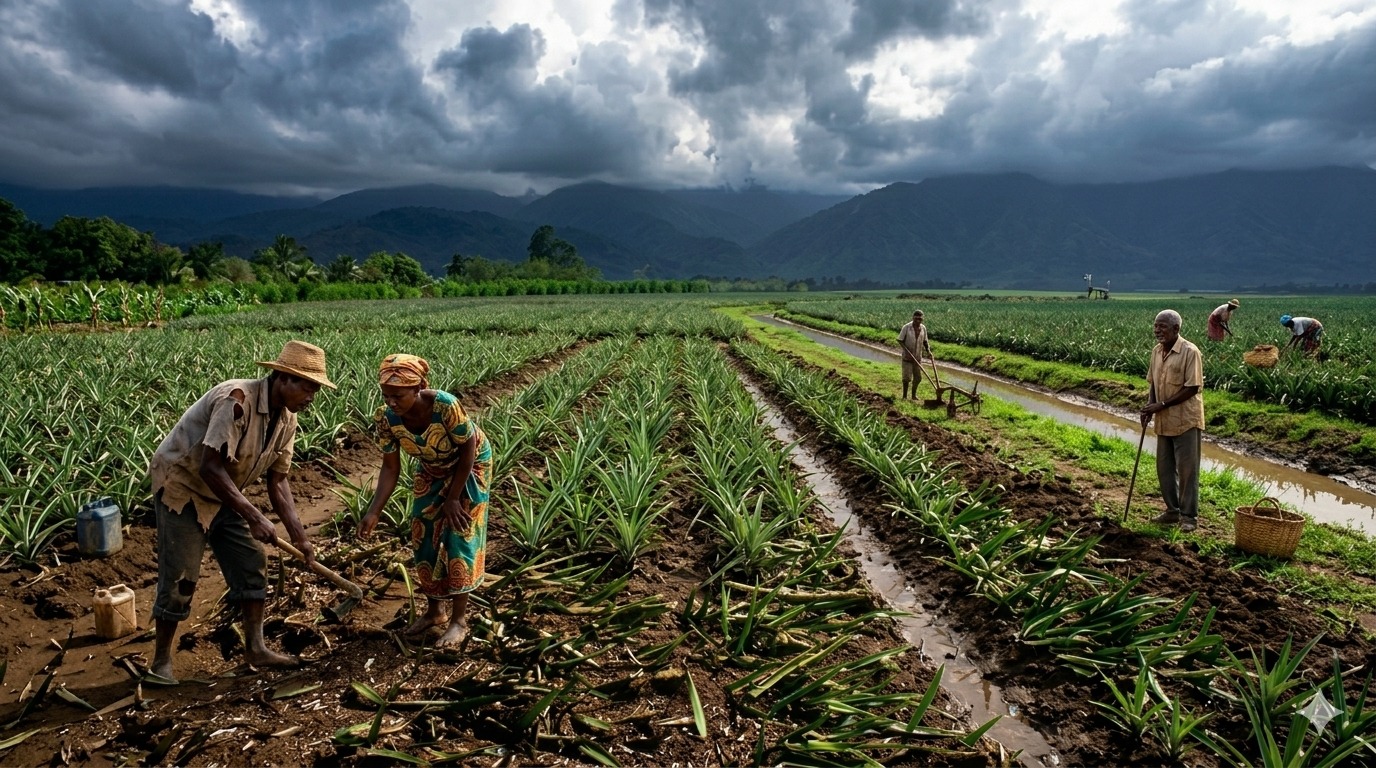
Humanitarian organisations note that disruptions to maritime trade often affect vulnerable economies disproportionately. Countries heavily dependent on imported food, medicines and industrial inputs may experience higher costs, reduced availability of essential goods and increased pressure on public finances if shipping expenses continue to rise.
Industry executives say maritime security has become an increasingly important corporate governance issue. Companies are expanding geopolitical risk assessments, strengthening supplier diversification and reviewing contingency plans to ensure business continuity during periods of heightened international uncertainty.
Governments continue working through diplomatic and multilateral frameworks to preserve freedom of navigation while avoiding actions that could further destabilise one of the world's most strategically significant trade corridors.
Economists emphasise that the protection of civilian shipping extends beyond security policy. Stable maritime trade supports employment, investment, manufacturing output and consumer welfare across interconnected global supply chains.
For investors, the situation underscores the growing relationship between geopolitical stability and commercial resilience. Shipping companies, insurers and logistics providers are expected to remain under close scrutiny as markets evaluate the potential implications for freight costs and global trade.
As geopolitical uncertainty persists, businesses and policymakers increasingly recognise that safeguarding civilian trade infrastructure is not solely a humanitarian objective but an essential pillar of sustainable global economic growth.