While geopolitical tensions and economic volatility continue to shape international markets, policymakers are placing greater emphasis on protecting livelihoods through stable supply chains, affordable energy and resilient economic institutions. Analysts say the relationship between economic performance and human welfare has become increasingly interconnected in an era defined by global trade, inflation and climate-related disruptions.
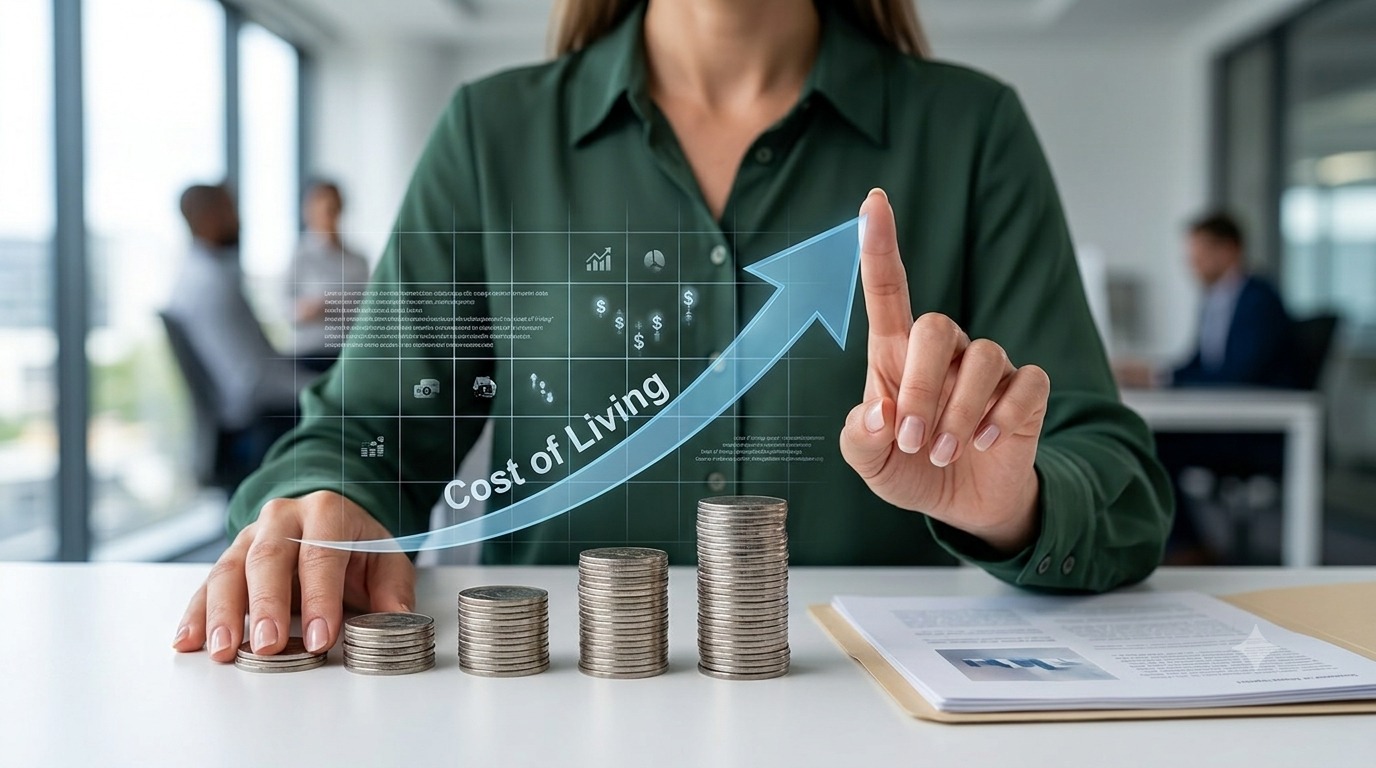
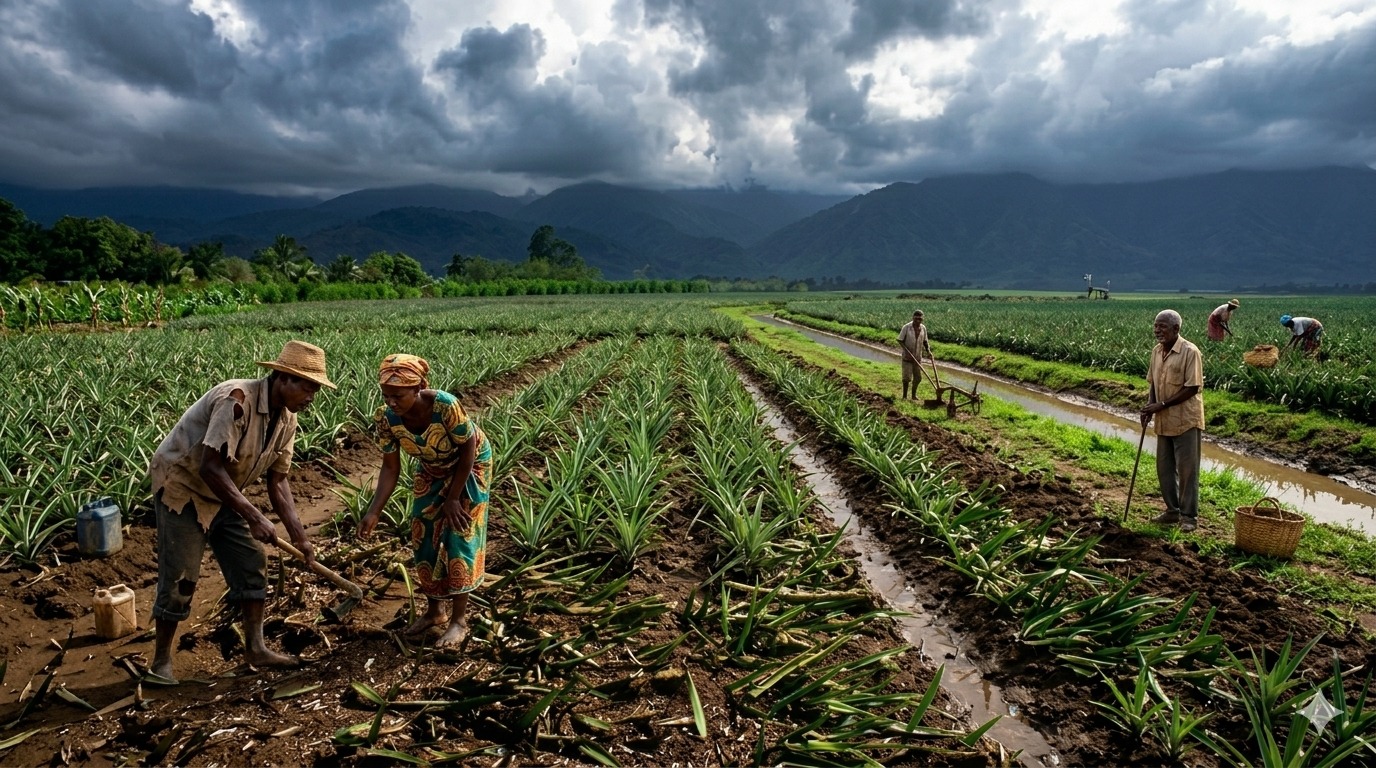
Development experts note that fluctuations in energy prices, transportation costs and food supply chains often have immediate consequences for vulnerable populations. Higher production and logistics expenses can increase the cost of healthcare, education, housing and essential consumer goods, disproportionately affecting lower-income households and developing economies.
Businesses are also playing a growing role in strengthening resilience through investments in local sourcing, workforce development and sustainable supply-chain management. Corporate initiatives aimed at improving operational continuity are increasingly viewed as contributing not only to commercial performance but also to broader social stability.
International organisations continue encouraging governments to adopt policies that strengthen economic inclusion, improve labour market participation and enhance access to affordable public services. Investment in infrastructure, digital connectivity and renewable energy is also being promoted as a means of reducing long-term vulnerability to external shocks.
Economists argue that maintaining macroeconomic stability remains fundamental to achieving sustainable development. Stable inflation, predictable fiscal policy and resilient financial systems create conditions that support private-sector investment, employment creation and long-term economic opportunity.
As governments navigate an increasingly complex global environment, balancing fiscal responsibility with social protection has become a central policy objective. Analysts say sustained investment in resilient institutions and inclusive economic growth will remain critical to protecting communities from future economic and geopolitical disruptions.
For policymakers and business leaders alike, the challenge is no longer simply responding to crises but building economic systems capable of withstanding them.