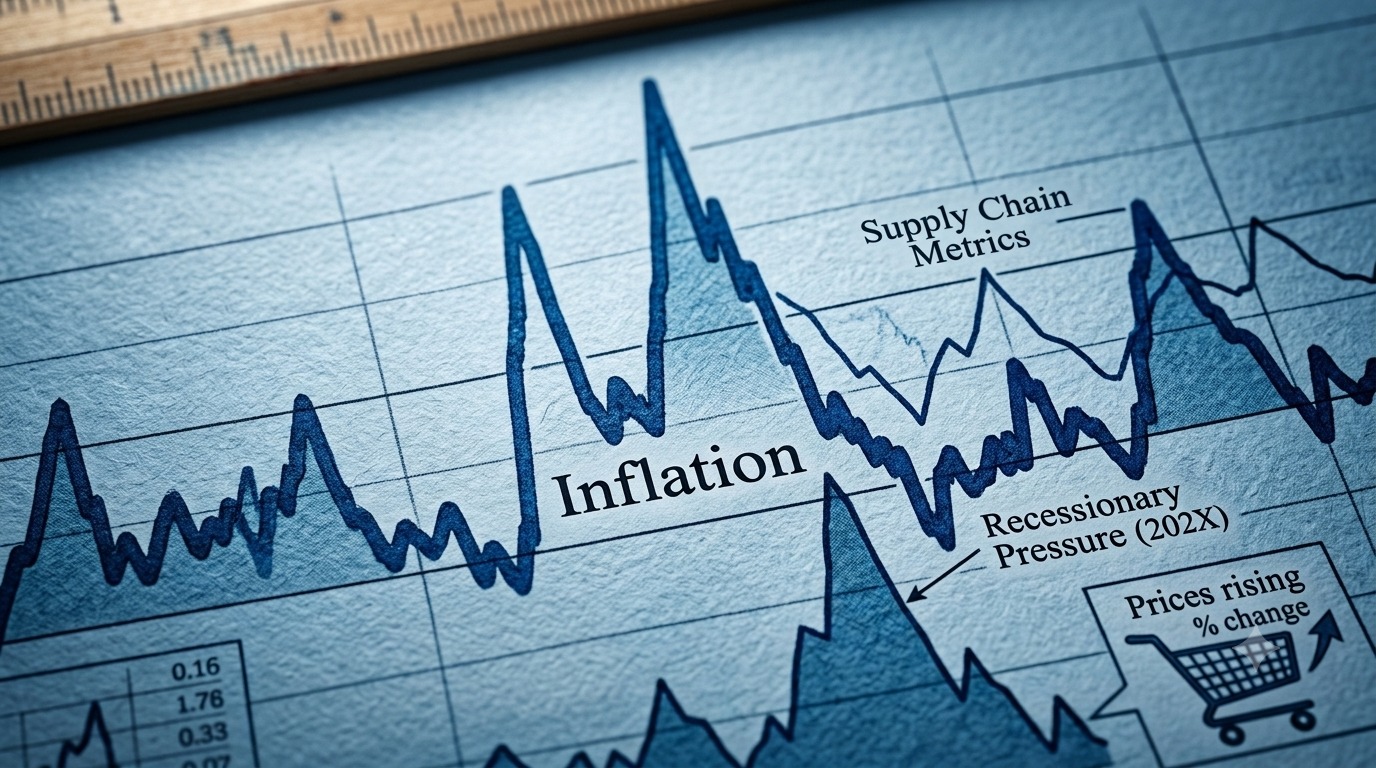
Equity markets traded mixed across major regions while bond yields remained elevated, reflecting growing expectations that interest rates may remain higher for longer despite signs of strengthening industrial activity.
Investor attention has shifted from recession concerns toward questions surrounding the sustainability of economic expansion and the timing of future monetary policy adjustments. Recent manufacturing data from several economies have suggested improving business conditions, although higher energy prices continue to complicate inflation forecasts.
Commodity markets remained closely watched as crude oil prices responded to geopolitical developments in the Middle East, reinforcing concerns that energy costs could continue influencing global inflation and corporate profitability.
Portfolio managers say market conditions increasingly favour selective investment strategies rather than broad risk-taking. Companies with resilient earnings, strong balance sheets and diversified international operations continue attracting investor interest despite heightened volatility.
Meanwhile, currency markets have reflected diverging monetary policy expectations, with investors assessing how central banks may respond to stronger economic indicators alongside persistent price pressures.
Economists note that financial markets are entering a more complex phase in which growth, inflation and geopolitical developments are becoming increasingly interconnected. Capital allocation decisions are therefore being driven not only by macroeconomic data but also by geopolitical resilience and long-term structural trends.
Businesses are similarly adapting investment strategies, balancing expansion opportunities with caution over financing costs and global trade uncertainties.
For executives, investors and policymakers alike, the second half of 2026 is expected to be defined by disciplined capital allocation, operational resilience and careful management of geopolitical risk rather than expectations of rapid monetary easing.