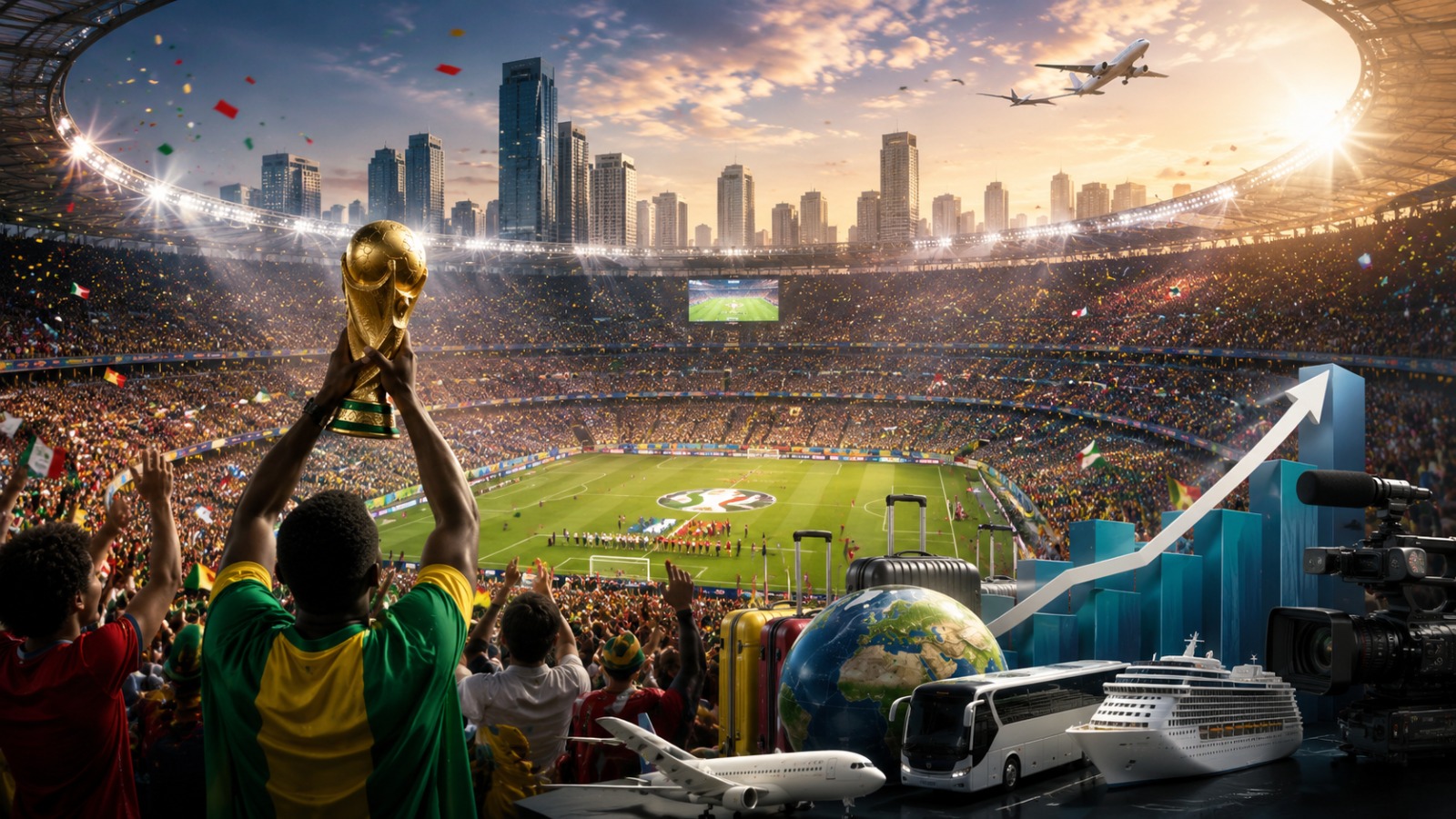
Airlines, hotels, tourism operators, retailers and media companies are reporting increased commercial activity as fans, sponsors and corporate partners converge around one of the world's largest sporting events. Industry analysts say the tournament is expected to generate billions of dollars in direct and indirect economic activity across multiple sectors, supporting employment, consumer spending and international tourism.
The commercial value of modern sporting events has expanded significantly over the past decade. Beyond ticket sales, revenues increasingly come from broadcasting rights, sponsorship agreements, digital streaming, merchandising, licensing and destination tourism. Global brands continue investing heavily in football partnerships as they seek access to one of the world's largest consumer audiences.
Hospitality businesses are among the earliest beneficiaries. Hotels, restaurants and transport providers in host locations have experienced stronger booking volumes, while airlines continue adding capacity on key international routes to meet increased passenger demand.
Retailers are also capitalising on tournament-related spending through apparel, electronics, food services and licensed merchandise. Consumer brands have launched large-scale marketing campaigns designed to strengthen engagement during a period of heightened global media attention.
For investors, the World Cup highlights the growing commercial integration of sports, technology and entertainment. Companies operating across media production, advertising technology, digital payments and online streaming are increasingly positioned to benefit from the expanding sports economy.
Governments view major sporting tournaments as opportunities to showcase infrastructure, attract foreign investment and strengthen national tourism industries. However, economists note that long-term returns depend on effective utilisation of infrastructure and sustained visitor interest beyond the event itself.
Industry observers expect the business of sport to continue evolving as digital media, artificial intelligence and data analytics reshape fan engagement and commercial strategy.
For executives, the tournament serves as a reminder that global sporting events have become strategic economic platforms capable of influencing investment, consumer behaviour and international business activity well beyond the duration of the competition.