After more than two years of aggressive investment in advanced semiconductors, cloud computing, data centres and enterprise AI platforms, financial markets are increasingly shifting their focus from technological promise to financial performance. Analysts say the coming earnings reports will provide the clearest indication yet of whether companies can convert record capital expenditure into measurable revenue growth and improved productivity.
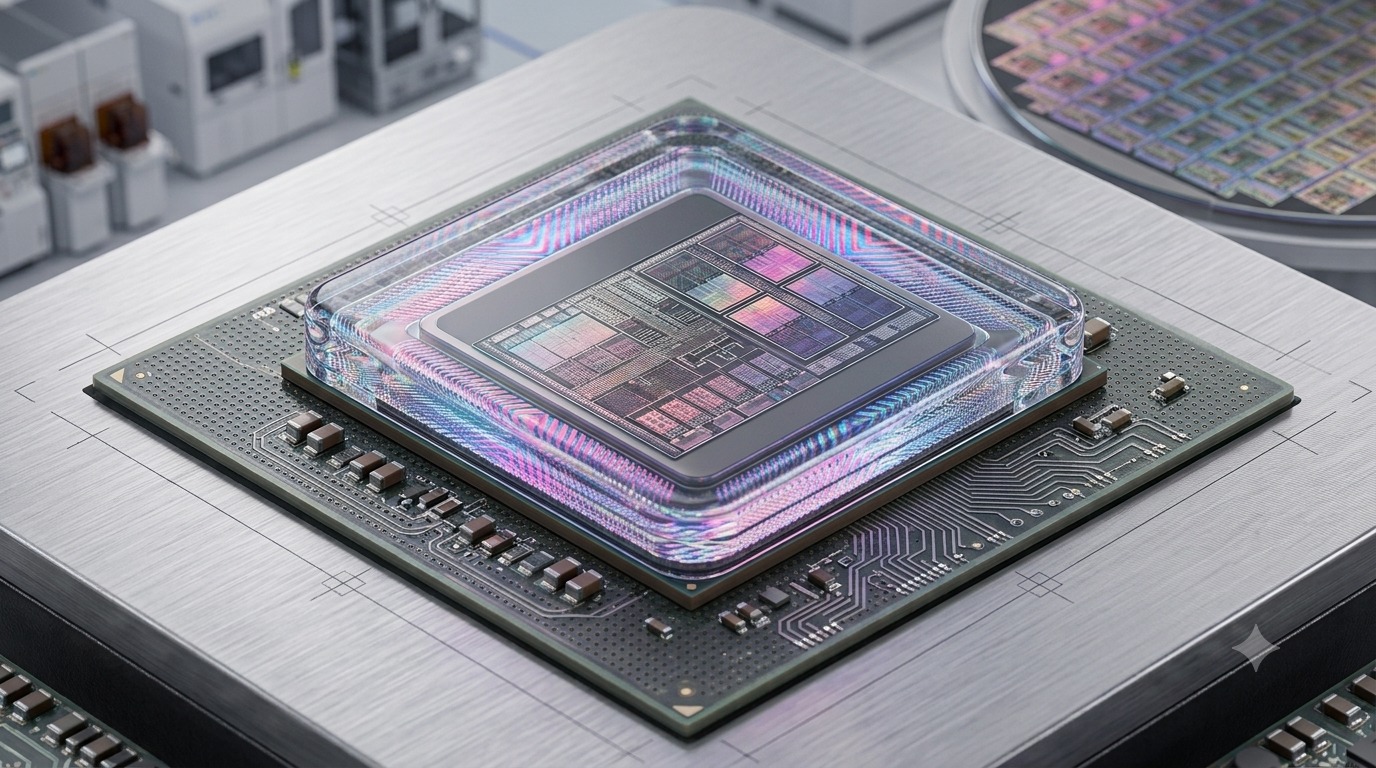
Leading technology firms have collectively committed hundreds of billions of dollars toward expanding AI capabilities, positioning artificial intelligence as one of the most significant investment cycles in recent corporate history. The scale of spending has driven strong demand across semiconductor manufacturing, energy infrastructure and cloud services while reshaping competitive dynamics throughout the global technology industry.
Investors are expected to examine corporate guidance closely, with particular attention on enterprise AI adoption, infrastructure utilisation and operating margins. Businesses demonstrating tangible improvements in efficiency, customer demand and recurring revenue are likely to receive stronger market support than companies relying primarily on future growth projections.
The AI investment cycle is also influencing broader sectors of the economy. Financial institutions, manufacturers, healthcare providers and logistics companies continue integrating AI technologies to improve decision-making, automate operations and enhance productivity.
At the same time, executives remain mindful of challenges including regulatory oversight, cybersecurity, data governance and rising energy consumption associated with large-scale computing infrastructure. Governments are also accelerating efforts to develop policy frameworks capable of supporting innovation while addressing competition and public trust.
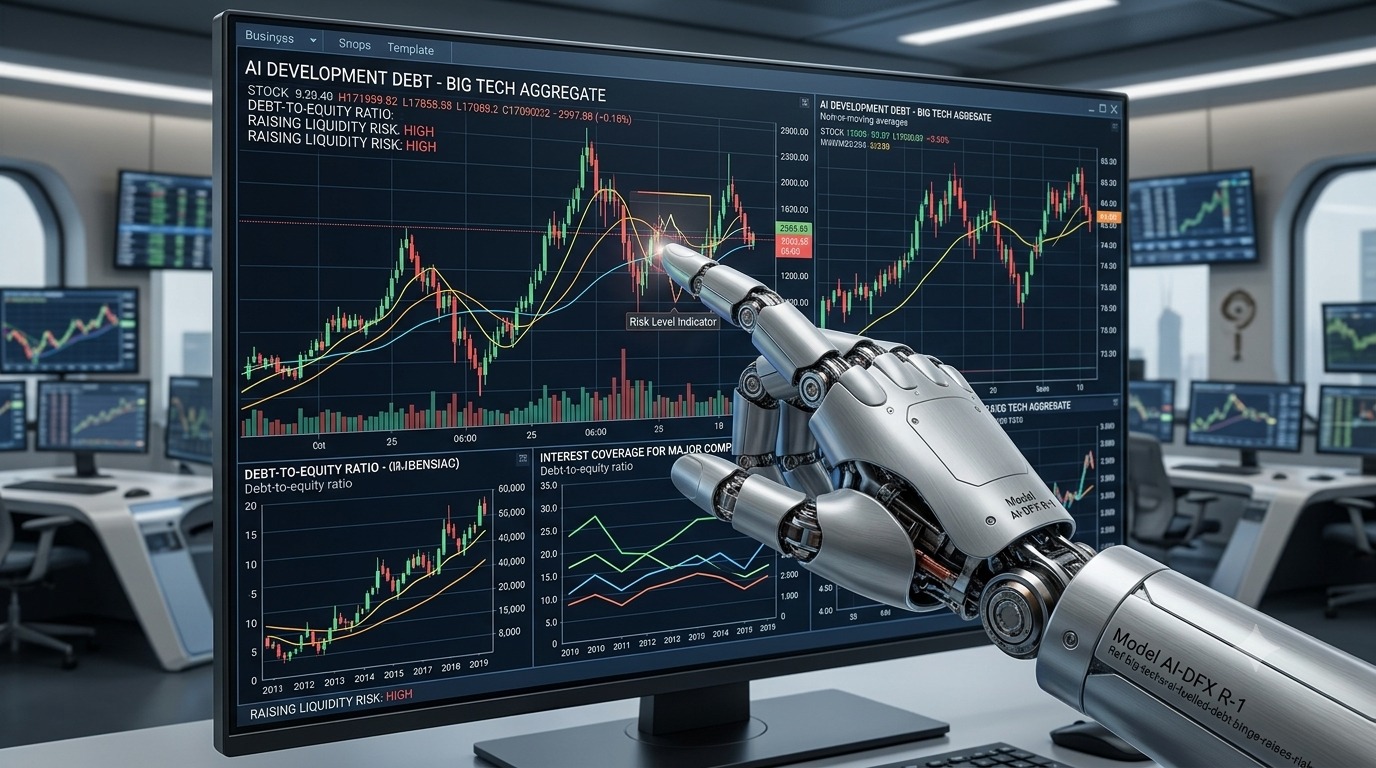
Economists describe artificial intelligence as a structural transformation comparable to previous industrial revolutions, with implications extending well beyond the technology sector. However, they caution that sustained investment must ultimately be supported by commercially viable business models and measurable economic value.
For investors, this earnings season represents a pivotal moment. The central question is no longer whether artificial intelligence will reshape the global economy, but which companies are best positioned to convert technological leadership into durable financial performance and long-term shareholder returns.